OUR BLOG
Your LOLER Inspection Frequency Guide
Every lift owner knows LOLER. Most could tell you the headline frequency — every six months for passenger lifts. What very few know is what actually happens during those six months between inspections, what a thorough examination looks at specifically, and what the...

LOLER vs PUWER: Which Lift Regulations Apply to You?
When it comes to lift safety, understanding whether LOLER or PUWER applies is vital. Both sets of regulations aim to protect people at work, but they cover different aspects of equipment use. So, which applies to your lift equipment? The short answer is: both might....

Lift Modernisation: Why, When & How?
If you have an old lift system that isn’t operating as efficiently as it once did, lift modernisation services could be the perfect way to upgrade your existing lift equipment and improve its performance. But what is lift modernisation? When is the best time for...
Lift broken down? What to do, step by step
In short: if anyone is trapped, keep them calm and talking, and call your lift maintenance company straight away. Call 999 if anyone is unwell, distressed or in danger, or if there is a fire. Take the lift out of use and put up “out of order” signs on every floor....

4 Modern Lift Interior Design Ideas
Most people barely notice a lift lobby. They step in, press the button, and step out at their floor — it is a few seconds they will never think about again. That is either a missed opportunity or proof your lobby is doing its job invisibly well. The clients we work...
How Often Should a Passenger Lift Be Inspected?
The short answer: every six months for passenger lifts. But the question building managers most often get wrong is not the frequency — it's the distinction between a maintenance visit and a LOLER thorough examination. These are two different obligations, requiring two...

The lift installation process, stage by stage
In short: the lift installation process runs in seven stages: survey, design, approvals, ordering, builder’s work, installation and testing, then handover. Most of the time goes on the stages before the lift arrives on site, especially design, approvals and the lift...
Your Guide To Lift Power Consumption [4-6 Person]
Elevators are significant intermittent consumers of electricity — the instantaneous power demand during a trip can be a thousand times greater than standby consumption. Yet most building managers have no clear picture of what their lift actually costs to run each...
6 Safety Rules for Passenger Lifts to Be Aware Of
Passenger lifts are a vital part of modern buildings, enabling smooth and accessible movement for people of all ages and abilities. However, their continuous and unsupervised use highlights the importance of adhering to safety standards to protect both users and...
Can Energy Efficient Lifts Reduce Operating Costs?
What an older lift actually costs to run is not a question most building managers can answer precisely — because the energy consumption is buried in the building's wider electricity bill and nobody has ever separated it out. At Future Lift Services, when we carry out...

Lift installation cost: what decides the price of a new lift in the UK
In short: lift installation cost depends far more on the building than on the lift. The type and size of lift, the number of floors, whether a shaft and pit already exist, how much building work is needed, the finishes, the approvals and access to the site all change...
16 Point Passenger Lift Inspection Checklist
Maintaining, inspecting, and testing your passenger lift system on a regular basis is fundamental to lowering the danger of a serious incident, malfunction, or even potential harm, while also guaranteeing the efficiency and safety of your lift. When doing said...

How To Reduce Energy Consumption in Commercial Buildings
Reducing energy consumption in commercial buildings is an essential goal for businesses that want to minimise costs and support a sustainable future. The International Energy Agency (IEA) states that buildings are responsible for over a third of global energy...
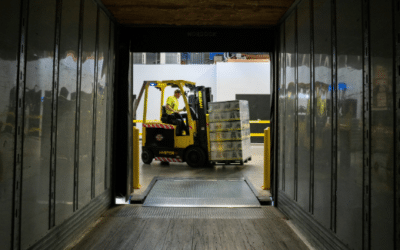
What Type of Equipment is LOLER Relevant To?
In the realm of workplace safety and operations, understanding regulations and their applicability to various equipment is paramount. One such set of regulations that holds significant importance, particularly concerning lifting equipment, is LOLER (Lifting Operations...
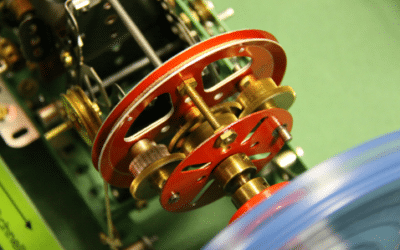
How Are Pulleys Used in Elevators? Find Out Here
When one of our engineers visits a commercial building for a routine maintenance check, the sheave and pulley system is one of the first things they inspect — and one of the most revealing. Worn rope grooves, flattened cable contact surfaces, or uneven bearing wear...
What Does LOLER Stand For in Health & Safety?
Navigating the labyrinth of health and safety regulations can be as daunting as it is essential. For commercial building owners and those overseeing compliance, understanding and adhering to the rigorous standards set by the Lifting Operations and Lifting Equipment...

Lift repair cost: what affects the price, how long it takes, and when to replace
In short: lift repair cost depends on what has failed, whether a part is needed, how old the lift is, when the work is done and whether the lift is on a maintenance contract. Many faults are fixed on the first visit; others wait for parts, which can take days or...
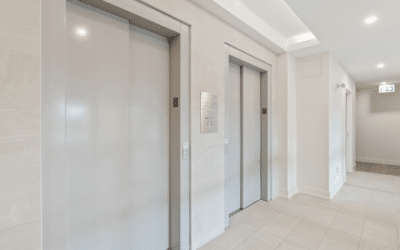
How Long Do Landlords Have to Fix Elevators If Broken?
There is no specific number of days written into UK law that gives a landlord to fix a broken elevator. The legal standard is 'reasonable time,' and what is reasonable depends on the severity of the fault — specifically, whether the broken lift prevents tenants from...