
Last updated:

modern lift lobby design

Knowing how long your residential elevator will last can seem difficult, but with the proper information, it can be relatively simple. 

You can plan for lift maintenance, modernisation, and replacement appropriately to keep your elevator operating smoothly and safely if you are aware of the elevator’s lifespan.

Since most users only ever see the pushes, displays, and internal decoration, it is simple to take an elevator lifespan for granted. 

But over the course of its lifespan, the lift system’s mechanical and electrical parts will perform tens of thousands, if not millions, of operations. Like any other component of a machine, those parts will ultimately deteriorate and wear out.

In this guide we’ll discuss the average lifespan of a residential lift, why you should invest in regular maintenance and when it’s time to upgrade to a brand new elevator.

What is the lifespan of a residential elevator?

For your elevator to keep running safely and smoothly, you really need to know when its time is up. This knowledge will also come in handy when budgeting for looming maintenance costs – and it’s a good idea to keep an eye out on the condition of your elevator to avoid a potential costly overhaul. Of course, a lot of different factors can influence an elevator’s lifespan, but generally speaking, any lift that’s over 20 years old probably needs a bit of a makeover.

Your elevator will still be relatively efficient, cost-wise, for the first 20 to 25 years of its life. 

Beyond that point though, its reliability starts to go downhill and you can expect to be calling out your maintenance team a lot more often – and you can bet that your elevator’s running costs will escalate sharply if you put off modernising it too long.

So, make a point to schedule a get-together with your elevator service crew to sort out the budget for revamping your elevator before those maintenance bills start to start piling up.

What can affect an elevator’s lifespan?

Even the best type of lift isn’t immune from the impacts of its environment – and dampness is a particular thorn in the side of many lift owners.

It can creep into your building in loads of different ways – water leaks getting into the elevator shaft, broken sump pumps, outdoor entrances that invite the elements to get in, and underground water springs that seep up through the base, to name just a few.

Water’s an absolute destroyer of mechanicals – so if you’re not keeping an eye out for it, your elevator’s going to fall to bits in no time. Seismic activity, high temperatures & underground electrical currents are other factors that can wreak havoc on hydraulic elevators

If it gets hit by these unexpected environmental factors, which, let’s face it, can be totally unpredictable, your elevator’s lifespan can be cut down in its prime. We’ve seen elevators that should have been good for 20 years need to be modernised after just 10 or 15. It’s all too common.

What are the signs a lift needs replacing?

While there may not always be a single indication that your lift needs to be replaced, there are some indications that, when taken together, may suggest that attention is required even if you believe to have a well maintained elevator.

  1. Age

Any lift older than 15 years should be inspected and repaired or replaced as necessary.

By this point, as the elevator ages, it’s possible that some work was already necessary to guarantee the lift’s continued operation, and this could have cost a lot of money. 

It is safe to say that after 15 years, some lift parts may no longer be supported and there could be some safety risks. This can include essential equipment like the control system, which can be one of the most important safety features for your lift system.

  1. Reliability

If a lift experiences numerous or recurring problems, particularly if it has previously been dependable, it may have worn-out or outdated parts that need to be replaced. 

While this might just be a result of routine lift maintenance, it should be considered in light of other signs as a potential indication that a lift is nearing the end of its life expectancy.

The accessibility of spares and replacement components can also be a helpful indicator when a component does fail. Because the original maker no longer supports discontinued equipment, it frequently needs to be replaced as a whole instead of just the broken component. 

The client may incur higher costs as a result, and the downtime required to find and install the new equipment may be prolonged. While the new component might increase dependability, the lift’s overall longevity is rarely increased by it.

  1. LOLER inspection report

Communications from your maintenance contractor or the number of items discovered on the most recent LOLER inspection report can frequently serve as a final warning signal. 

These are frequently linked to health and safety and may signal changes to regulations or industry standards. They may not always necessitate mandatory lift improvements, but they may be an indicator that your lift is starting to lag behind in terms of design and health and safety requirements.

How Can I Increase My Lift’s Lifespan?

Maximising the lifespan of your residential lift doesn’t just mean avoiding breakdowns; it involves proactive care, energy efficiency, and ensuring safe and efficient operation. Here are some practical steps building owners can take to extend the life of their passenger lifts:

1. Prioritise Proper Maintenance

Regular, scheduled maintenance is crucial for keeping your lift in top condition. Professional inspections help identify potential problems with electrical components, cables, and mechanical systems before they escalate. By addressing minor issues promptly, you can maintain the structural integrity of the lift and avoid costly repairs or replacements.

Read More:How To Reduce Your Lift Maintenance Costs

2. Improve Energy Efficiency

Modernising your lift’s systems can greatly enhance energy efficiency. Upgrades such as LED lighting, regenerative drives, and energy-efficient control systems reduce energy consumption and lower operating costs. These improvements not only benefit the environment but also reduce strain on the lift’s electrical components, contributing to a longer lifespan.

Find Out More: How To Reduce Energy Consumption in Commercial Buildings

3. Ensure Safe and Efficient Operation

Regularly educating users on best practices for safe lift usage helps avoid misuse that can lead to unnecessary wear and tear. Gentle handling of doors, avoiding overloading, and keeping the lift clean can go a long way toward ensuring efficient operation and reducing the likelihood of damage.

4. Invest in Modernisation

If your lift is nearing the 15- to 20-year mark, consider investing in a modernisation plan. Replacing outdated control systems, upgrading to energy-efficient motors, and installing new safety features can significantly improve performance and extend the life of your lift. Modernisation ensures your lift keeps up with current safety standards and reliability expectations.

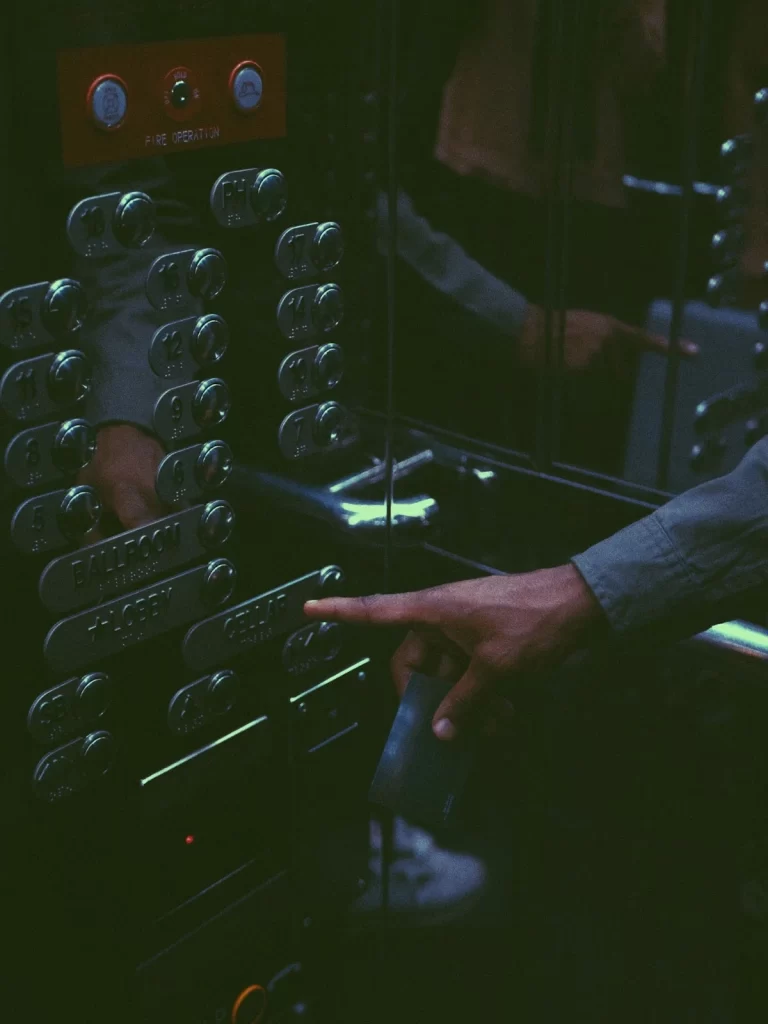
elevator buttons being pushed

5. Monitor Environmental Conditions

Protect your lift from damaging environmental factors like dampness, water ingress, and extreme temperatures. Ensuring proper drainage, sealing lift pits, and maintaining a controlled environment helps preserve the structural integrity of your lift.

Related Reading: 16 Point Passenger Lift Inspection Checklist

By implementing these strategies, building owners can ensure their passenger lifts remain reliable, safe, and energy-efficient for years to come.

Lift Modernisation or Replacement?

As lifts in residential buildings age, building owners face the decision of whether to modernise or opt for an eventual replacement. Upgrading components such as control systems, motors, and door mechanisms with energy-efficient components can enhance performance, improve safety, and reduce operational costs.

Several factors affect whether modernisation is the right choice. If an older lift experiences frequent breakdowns, has outdated technology, or lacks replacement parts, a full replacement may be more cost-effective in the long run. However, in many cases, modernisation can extend the life of the lift and bring it up to current safety standards.

Planning ahead is crucial—proactively upgrading key lift components before major failures occur can prevent costly downtime and ensure continued efficiency. Consulting with a lift service provider can help determine whether modernisation or a full replacement is the best strategy for your residential lift.

Related Reading: When is a Lift Required in a Residential Building?

Looking for expert lift maintenance?

Regular scheduled maintenance and inspections can keep your elevator operating efficiently for longer than its 20-year expected life cycle, while poor maintenance can have the opposite impact and shorten the life of your elevator by 10 to 15 years. 

Through proactive management of your building’s elevators and early detection of ageing symptoms, you can prevent your elevator from abruptly reaching the end of its useful life.

At Future Lift Services, we provide all kinds of lifts in the UK with high-quality installation, repairs, maintenance, and servicing. 

A lift servicing call can be completed by our team of qualified engineers at a time and date that works for you, causing the least amount of disruption to your company.

For more information about our lift servicing packages, contact us today.

How long does a residential lift last FAQs?

How Long Will My Residential Elevator Last?

Typically, a domestic elevator will last anywhere from 15 to 25 years or so, depending on the way it’s maintained and all sorts of other factors. The key is to get the thing properly serviced and check it out for any signs of wear and tear; e.g. your operating panel, cables and travelling cables will need replacing if they show any signs of strain.

What Sort of Maintenance Do I Need to Do on My Lift?

Just keep an eye out for any tell-tale signs of wear and tear, unusual vibration, or leaks and run a check on all your electronic components to make certain they’re not overheated or damaged. Oil levels should be good and lubricate moving parts as and when needed. action as needed.

Do I Really Need to Get My Lift Serviced?

Absolutely, it’s not just about compliance with the law, it’s about preventing a world of hurt down the line: if you don’t keep your lift serviced you’ll be looking at a hefty repair bill or even a whole new lift. Don’t leave it until it’s too late, fix the problem now and save yourself that kind of a future shock.