When considering a new lift for a property, clients often feel overwhelmed by the sheer range of options, requirements, and costs. Whether a project calls for lasting impression, luxury or practical everyday reliability, selecting the perfect lift is about more than...
Lift shaft design is where most commercial lift projects run into problems. Not during the installation itself, but during the planning and structural assessment stage — when the shaft dimensions do not match the lift specification, the fire rating is insufficient for...
Most lift design articles online show you renders from Scandinavian architecture firms or aspirational hotel interiors that bear no relation to a six-floor office block in Romford. This guide is different. As Operations Manager at Future Lift Services, I’ve...
Understanding lift pit depth requirements is essential when planning a new lift installation or upgrading an existing system. The pit, located beneath the lowest floor, creates the space needed for safety buffers, maintenance access, and ensures the lift car can stop...
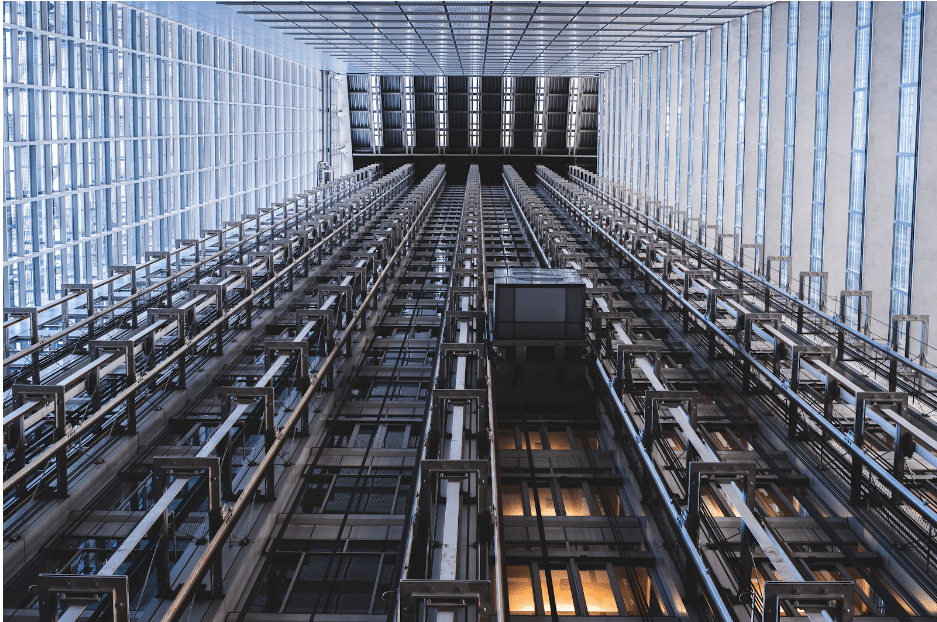
Understanding how a lift is built helps building owners and managers understand why maintenance matters, what can fail, and what a competent installer should be doing during a project. I’m Ross Darcy, Operations Manager at Future Lift Services. We manage the...
If you search ‘types of lifts’ you get the same recycled taxonomy on every site: MRL, hydraulic, traction, vacuum. What those articles don’t tell you is which type fails most often, which is cheapest to maintain over 10 years, or which one your...