If you manage a building, you’ll know the feeling: a lift stalls at 8:45am, people stack up in reception, tempers fray and operations slip. In our experience, many of those moments trace back to maintenance choices that could have gone differently. In our work at Future Lift Services across London, Essex and the South East, […]
If you manage a building, brakes rarely cross your mind until you feel a jolt, smell hot friction, or take a call that a lift is stuck between floors. We think about them constantly. And from what we see on site, one of the strongest indicators of a safe, smooth, compliant lift is the condition […]
You press the button, the doors close, and the car moves. What keeps that movement quiet, smooth and safe is the motor system. A lift motor, or elevator motor, converts electrical energy into mechanical energy. It either turns the traction sheave or drives a hydraulic pump, moving the elevator car within the elevator shaft. Lift […]
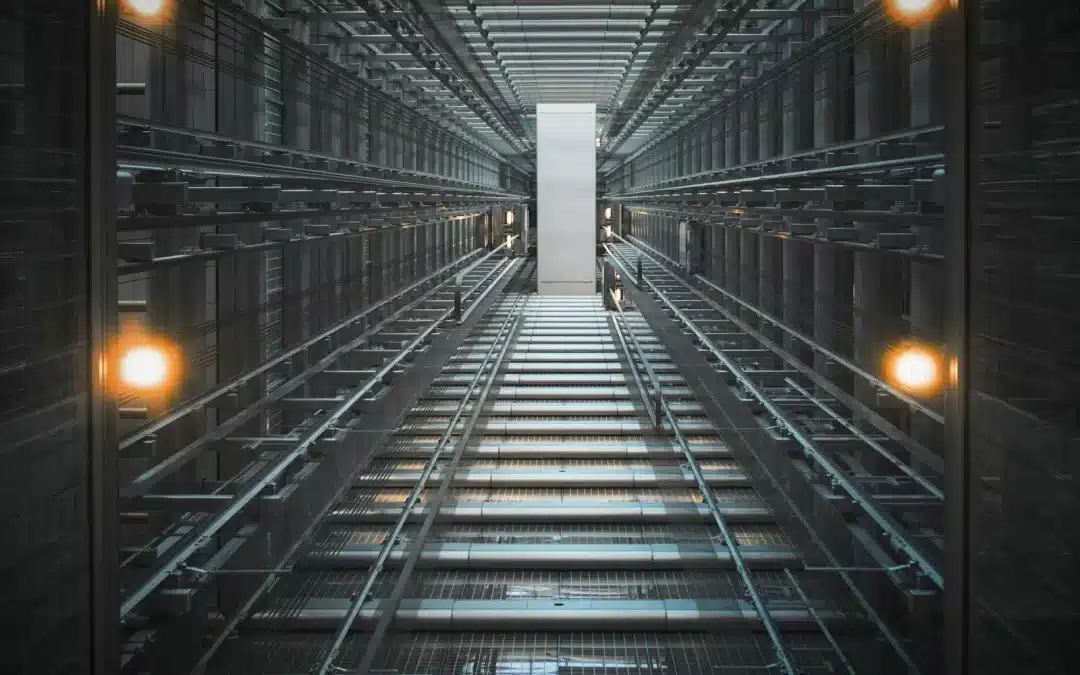
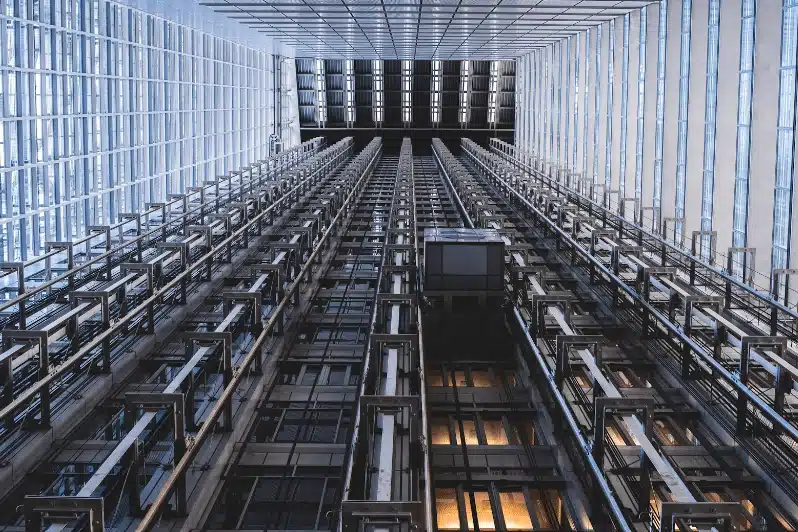
If you carry responsibility for a lift, a diagram only gets you so far. What helps on the ground is knowing what sits inside the shaft, how the parts behave together, and where problems tend to start before they turn into breakdowns. This is our safety-first walk-through of the elevator shaft, from car top to […]
Emergency power systems for lifts are backup power solutions that cut in when the mains fails so the lift can get people to a safe floor and let them out. In the UK they are now a basic expectation in taller and higher risk buildings, not a nice extra. What Are Emergency Power Systems for […]
Elevators might seem straightforward, but there’s a whole world of engineering behind those sliding doors. Ever think about what makes them open just when you need them to? It’s all down to a fantastic combination of motors, mechanics, and modern design. We’re diving deep into lift doors: how they function, protect you, and why maintaining […]
Picture this: you’ve got a building that needs a lift, but space is tight. Enter machine-room-less (MRL) lifts, a practical marvel of modern engineering that fits all critical machinery right within the elevator shaft itself. Imagine not needing a separate room just for the mechanics. These MRL lifts save space and simplify things, making them […]
Understanding the importance of LOLER compliance can be a game-changer when it comes to workplace safety. Many businesses use lifting equipment daily, and ensuring that this machinery operates safely is absolutely crucial. This brings us to the Lifting Operations and Lifting Equipment Regulations, often known as LOLER. These regulations were put into place to ensure […]
Most lift lobby design galleries show you images from Canary Wharf penthouses or five-star hotels that have nothing to do with the three-floor office conversion in Chelmsford you’re actually trying to improve. This guide is different. I’m Ross Darcy, Operations Manager at Future Lift Services, and we’ve installed and modernised lifts across commercial, residential and […]
Whether you are a developer planning a new residential block or a property manager responsible for an existing building, the question of when a lift is legally required — and what type — is less straightforward than most guidance suggests. Building height, number of units, accessibility obligations, and fire safety all pull in different directions. […]
There are over 325 million elevator rides every single day. The stainless steel interior of a passenger lift absorbs all of that traffic — fingerprints, cleaning product residue, occasional chemical damage — and the difference between a lift that looks professionally maintained and one that does not is almost always down to cleaning method, not […]
A well-maintained residential lift should last 20–25 years. A poorly maintained one can fail to reach 15. That gap — a decade of useful life — is almost entirely determined by decisions made in the first few years of ownership: the quality of the installation, the consistency of servicing, and how quickly environmental problems are […]
If you look after a building with lifts, you already know one thing: when a lift stops, everyone notices. Lift data monitoring steps in here. It gives building managers and owners a live view of how their lifts are behaving, so they can keep people safe, reduce costs and stay on the right side of […]
You can tell a lot about an office by its lift. If it is quick, smooth and always just… works, people barely notice it. If it is slow, clunky, or has an “Out of order” sign on it every other month, everyone notices. People talk about it in the queue. Someone jokes about needing a […]
If you own or manage a building in Great Britain, your lifts sit right at the centre of safety, legal duties and how people actually move around your building. The question for 2026 is simple: are your lift systems still in line with current UK lift standards or are they quietly drifting out of date? […]
Let’s talk about lift component lifespan in plain terms. If you run or manage a building, the way you look after your lift today has a huge effect on how long it lasts, how safe it is, and how much it costs you in the long run. What we actually mean by lift component lifespan […]
Walk into a modern office building and you can often tell a lot about the place before you even reach reception. The lift cabin, the lighting, the feel of the ride between floors, all of it shapes that first impression. A bespoke lift cabin takes that seriously. It turns a standard lift into a space […]
If your lift has started to groan, rattle or hum loudly, it is not just annoying. Lift noise affects human comfort every day, from the first person in the office to the last resident going to bed. It also tells you a lot about how well your lift, and sometimes your building, is really performing. […]
Overlooking LOLER checks can be an expensive mistake for any business that relies on lifting equipment. These checks, required under the Lifting Operations and Lifting Equipment Regulations 1998, are not just red tape, they’re essential for workplace safety. Regular LOLER inspections help ensure that each lift or piece of workplace lifting equipment operates safely and […]
Ensuring the safety and efficiency of lift systems is a critical responsibility for property managers and building owners. A well-structured lift maintenance plan is pivotal in achieving these goals while also providing substantial cost savings. Such plans involve scheduled inspections and servicing that not only prevent equipment failures but also enhance the longevity and performance […]
Designing lifts for modern workplaces is about more than just vertical travel. It’s about how people move, connect, and experience a space. As cities continue to rise and offices occupy taller buildings, the design of safe, efficient, and beautiful lift systems has become essential. The modern lift design process requires a balance of technology, regulation, […]
The smooth operation of passenger lifts is one of those things we often take for granted, but it’s absolutely vital for multi-storey buildings. Lifts don’t just make life easier for everyone using the building — they also play a big role in safety and efficiency. Keeping them in top condition isn’t just a tick-box exercise […]
The lift technology industry is poised for remarkable transformation by 2026, driven by technological advancements that promise to redefine vertical transportation. As urban landscapes grow increasingly complex, the demand for smarter, safer, and more energy-efficient lift systems is higher than ever. From integrating cutting-edge smart technologies to improving energy efficiency and safety standards, these developments […]
Replacing a lift system is a task that demands meticulous planning and adherence to regulations. It involves evaluating the current system, ensuring regulatory compliance, designing modern solutions, and managing financials, all while prioritising safety and efficiency. This guide delves into each stage of planning a lift replacement, providing the necessary insights to navigate this complex […]
Reducing energy expenses in buildings is a crucial concern, and lift systems play a significant role in this endeavour. Often overlooked, lifts offer a substantial opportunity for enhancing energy efficiency, leading to notable cost savings and sustainability improvements. This article explores the various ways lift upgrades can slash energy bills while ensuring safety and compliance […]
Selecting a lift service provider is a decision that impacts the safety and operational efficiency of your building’s lift systems. With a focus on compliance, maintenance, and technological innovation, this guide aims to equip you with the knowledge required to navigate this crucial choice. From understanding specific lift requirements to evaluating potential service providers, we […]
Hydraulic lifts are integral to numerous buildings, providing seamless vertical transportation. Ensuring their consistent functionality and safety requires diligent maintenance. This article explores the key maintenance strategies that can help prevent costly malfunctions and mitigate safety hazards. With a focus on safety compliance and operational efficiency, Future Lift Services stands out by offering expert engineering […]
Preventive lift maintenance plays a vital role in ensuring the safety and reliability of lift systems. By adopting a proactive approach to maintenance, building managers and property owners can significantly reduce the risk of unexpected breakdowns. This article delves into the importance of preventive lift maintenance, offering practical insights into establishing effective maintenance strategies. From […]
Preserving the historical charm of ancient buildings while ensuring modern accessibility is a formidable challenge. These historic buildings often lack the necessary features to accommodate individuals with mobility issues, posing a significant barrier to inclusivity. This article delves into the complexities of integrating accessibility solutions such as lifts within historic property and historic places, balancing […]
With the rise of smart buildings, the design and functionality of lifts have become integral to commercial property value. Modern lift design now goes beyond mere transportation, incorporating technologies and sustainable practices that align with contemporary architectural trends. This article explores how state-of-the-art lift features, from energy efficiency to safety compliance, not only enhance user […]
In the realm of the hospitality sector, ensuring the seamless movement of guests and staff is crucial for operational success. Lifts play an indispensable role in this, enhancing both guest comfort and logistical efficiency. This article delves into the various components of hospitality lifts, their maintenance, and the integration of smart technologies, offering insights into […]
Commercial lifts are a fundamental component of modern architecture, ensuring seamless vertical movement and enhancing the functionality of buildings. The longevity and efficiency of these systems are paramount for building owners and managers. This guide outlines actionable strategies to extend the lifespan of commercial lifts, emphasising routine maintenance, modernisation, and compliance with safety regulations. Understanding […]
Lift malfunctions pose a significant concern in any building, affecting both the safety of occupants and the operational integrity of the facility. These issues can arise from mechanical failures, electrical faults, power failure, or the wear and tear of regular use. Understanding how lift malfunctions occur and managing them through strong emergency procedures is critical […]
The installation of a lift is a significant project that requires careful planning and execution. Ensuring minimal disruption during lift installation is crucial for maintaining the daily operations within a building. This guide presents an in-depth look at the necessary steps to achieve a seamless installation process for lifts, focusing on safety, compliance, and efficiency. […]
Imagine stepping into a lift and reaching your destination, without ever pressing a button or worrying about who touched it last. For many of us managing busy commercial spaces, the realities of hygiene, accessibility, and keeping spaces safe are always front of mind. Now, the leap towards touchless lift and elevator controls feels less like […]
Ensuring accessibility in public and commercial buildings across the UK is both a legal obligation and a strong contributor to social inclusion. The installation and maintenance of lifts for public buildings directly affect how easily all individuals, including disabled persons and wheelchair users, can access different floors of public space and commercial facilities. Whether evaluating […]
When considering a new lift for a property, clients often feel overwhelmed by the sheer range of options, requirements, and costs. Whether a project calls for lasting impression, luxury or practical everyday reliability, selecting the perfect lift is about more than just moving between floors, it’s about enhancing property value, accessibility, and life quality for […]
Lift service contracts are a legal and practical necessity for property owners, offering complete peace of mind by ensuring optimum performance and safety for lift equipment within all types of buildings across the UK. A proper maintenance package and scheduled services not only satisfy strict legal obligations under relevant regulations, including LOLER and the Health […]
When it comes to keeping lifts safe, reliable, and compliant, a comprehensive lift maintenance contract is not just a tick in the box, it’s a critical partnership for building owners and managers seeking complete peace of mind in their business operations. Whether dealing with routine maintenance or unexpected breakdowns, an expertly tailored maintenance package ensures […]
Lift shaft design is where most commercial lift projects run into problems. Not during the installation itself, but during the planning and structural assessment stage — when the shaft dimensions do not match the lift specification, the fire rating is insufficient for the building use, or the pit depth cannot be achieved without significant groundwork. […]
Smart lift technology is transforming how lifts and elevators work in homes, offices, shopping centres, and beyond. It brings together intelligence, connectivity, and convenience, so building operators, property managers, and everyday users get a smoother, safer experience on every trip between floors. Smart lift technology refers to advanced vertical transportation systems that integrate artificial intelligence, […]
Elevators use a surprising amount of building energy, anywhere from 2% to 10% through the year, and even up to 40% during the busiest times. With the latest elevator drive technologies, though, it’s now possible to save as much as 30-75% compared to old systems. This article explores how improving elevator energy performance is essential […]
Ensuring accessibility and regulatory compliance within educational buildings is a legal responsibility for every school administrator. Under the Equality Act 2010 and Building Regulations Part M, schools with multiple floors must install lifts to accommodate wheelchair users and anyone with mobility difficulties. When selecting lift installation for schools, a compliance assessment is essential, as school […]
Ensuring equal access for all users in public and commercial buildings underpins modern standards for lift installations throughout the UK. With over 200,000 lifts in daily use, half installed more than 25 years ago, building owners face mounting legal obligations to improve accessibility and provide compliant lifts for people with disabilities. This guide unpacks all […]
Lift breakdowns are a significant financial concern for UK building owners. Preventative maintenance contracts, ranging from £180 to £650 per year, help minimise lift breakdowns and keep lift equipment reliable for both passengers and goods lifts. By working with the UK’s leading lift companies and experienced lift engineers, facilities managers ensure lift repairs are completed […]
When choosing the right lift system for homes, offices, or commercial buildings across Essex, London, and the South East, understanding the difference between traction elevators and hydraulic elevators is crucial. The right elevator directly shapes building usability, energy costs, and long-term reliability. At Future Lift Services, our experienced lift installation engineers help guide property owners […]
Passing a lift safety inspection first time is not just about box-ticking, it’s about protecting lift users, meeting legal obligations, and ensuring your building’s smooth operation. In the UK, the Lifting Operations and Lifting Equipment Regulations 1998 (LOLER) set clear requirements for lift owners and duty holders. This complete guide covers LOLER compliance, inspection steps, […]
Whether you manage offices, shopping centres, or public buildings, choosing to install lifts isn’t just about meeting regulations, it’s about providing access solutions that serve everyone, including wheelchair users and people with limited mobility. Commercial lift installation offers the latest technology to improve accessibility across the UK, supporting tenants, staff, and customers. If you’re considering […]
Most lift design articles online show you renders from Scandinavian architecture firms or aspirational hotel interiors that bear no relation to a six-floor office block in Romford. This guide is different. As Operations Manager at Future Lift Services, I’ve specified and overseen lift refurbishments across commercial, residential and mixed-use buildings in Essex and London since […]
Understanding lift pit depth requirements is essential when planning a new lift installation or upgrading an existing system. The pit, located beneath the lowest floor, creates the space needed for safety buffers, maintenance access, and ensures the lift car can stop safely and level with the floor. Without the right depth, you risk compliance issues, […]
Every lift owner knows LOLER. Most could tell you the headline frequency — every six months for passenger lifts. What very few know is what actually happens during those six months between inspections, what a thorough examination looks at specifically, and what the difference is between a compliant examination and one that would not hold […]
When it comes to lift safety, understanding whether LOLER or PUWER applies is vital. Both sets of regulations aim to protect people at work, but they cover different aspects of equipment use. So, which applies to your lift equipment? The short answer is: both might. The LOLER regulations focus on the use and safety of […]
If you have an old lift system that isn’t operating as efficiently as it once did, lift modernisation services could be the perfect way to upgrade your existing lift equipment and improve its performance. But what is lift modernisation? When is the best time for building owners to do it? And how can you find […]
Building managers have a predictable reaction when a lift breaks down: call whoever is on the contact list and hope for the best. What distinguishes buildings that handle lift emergencies well from those that don’t is whether a plan existed before the breakdown happened. I’m Ross Darcy, Operations Manager at Future Lift Services. We respond […]
Customer happiness is often the top concern of any owner or management of a major shopping centre. A retail lift can safely and reliably accommodate large crowds of people. However, retail environments aren’t all about the customers. Many lifts, such as vertical platform lifts and goods and service lifts, are often needed behind the scenes. […]
Most people barely notice a lift lobby. They step in, press the button, and step out at their floor — it is a few seconds they will never think about again. That is either a missed opportunity or proof your lobby is doing its job invisibly well. The clients we work with increasingly see the […]
Every commercial lift cost article you’ll find online says the same thing: ‘it depends on many factors.’ That’s true, but it’s also useless if you’re trying to build a budget or sense-check a quote. This guide is different. I’m Ross Darcy, Operations Manager at Future Lift Services. We’ve delivered commercial lift installations across Essex and […]
The most expensive lift maintenance programme we ever audited wasn’t the one with the highest annual contract fee. It was the one with no contract at all. The building manager — a commercial property in Chelmsford — had been managing an ageing traction lift on a purely reactive basis for three years. By the time […]
The short answer: every six months for passenger lifts. But the question building managers most often get wrong is not the frequency — it’s the distinction between a maintenance visit and a LOLER thorough examination. These are two different obligations, requiring two different engineers, carrying two different legal weights. I’m Ross Darcy, Operations Manager at […]
Different types of elevators are required by various industries and structures. The type of commercial lift required is determined by several parameters, including whether you are transporting goods or passengers, the number of floors in the building, the weight of the objects to be transported, and the shaft space. Elevators are mechanical platforms that move […]
Installing a lift is one of the most technically involved works a building can undergo. There are over 300,000 lifts in operation across the UK, and every one of them went through a version of the same 10-stage process. The standard installation sequence below covers a traction or MRL commercial lift — the principles apply […]
Elevators are significant intermittent consumers of electricity — the instantaneous power demand during a trip can be a thousand times greater than standby consumption. Yet most building managers have no clear picture of what their lift actually costs to run each year. This guide gives you the real numbers, explains how lift type and usage […]
Passenger lifts are a vital part of modern buildings, enabling smooth and accessible movement for people of all ages and abilities. However, their continuous and unsupervised use highlights the importance of adhering to safety standards to protect both users and maintenance personnel. While lifts are among the safest modes of transport due to their stringent […]
What an older lift actually costs to run is not a question most building managers can answer precisely — because the energy consumption is buried in the building’s wider electricity bill and nobody has ever separated it out. At Future Lift Services, when we carry out a modernisation assessment, one of the first things we […]
Not every home has the space for a traditional lift shaft. A full traction or hydraulic lift installation requires a dedicated shaft, a pit beneath the lowest landing, and in most cases a separate machine room — space that many older homes, converted properties, and compact residential buildings simply do not have. Shaftless lifts were […]
‘How much does a passenger lift cost?’ is one of the most common questions we receive at Future Lift Services — and there is no single answer. A passenger lift is not an off-the-shelf purchase. The final cost is shaped by the type of mechanism, the number of floors served, the size of the cab, […]
Maintaining, inspecting, and testing your passenger lift system on a regular basis is fundamental to lowering the danger of a serious incident, malfunction, or even potential harm, while also guaranteeing the efficiency and safety of your lift. When doing said elevator maintenance inspection, keep a checklist of the vital components that need to be inspected […]
Reducing energy consumption in commercial buildings is an essential goal for businesses that want to minimise costs and support a sustainable future. The International Energy Agency (IEA) states that buildings are responsible for over a third of global energy consumption and emissions. Every commercial space consumes energy, often at a high price, from office blocks […]
Installing a commercial elevator takes 4–12 months from initial design to commissioning, but that range is almost meaninglessly wide unless you understand what determines where your project sits within it. The short answer: the building structure and the permit process control the timeline more than the lift itself. The lift installation — the physical work […]
Most articles about facilities management are written for an FM audience — people who already know what FM is. This one is different. It’s written by Ross Darcy, Operations Manager at Future Lift Services, for the building managers and property directors who commission FM services and want to understand where lift maintenance sits within the […]
Ensuring your building runs smoothly ensures a productive and safe environment. For facility managers, having a comprehensive building maintenance checklist is the key to staying on top of all the tasks necessary to keep a building in prime condition. Imagine walking into a building where everything functions seamlessly: the lifts operate without a hitch, the […]
The lists of leaders in facilities and maintenance are constantly growing, making it harder to remember what needs to be done when. A facility maintenance checklist, which outlines the frequency of inspections required for each area of your facilities management, assists teams in staying on top of the numerous chores on their plates. It is a […]
As we stride into 2024, the realm of elevator facilities witnesses intriguing shifts, shaped by a confluence of technological advancements, sustainability imperatives, and safety mandates. Each elevator carries 20,000 people per year. Understanding the nuanced statistics surrounding elevator usage, accidents, and sustainability factors becomes paramount for stakeholders ranging from city planners to building managers. Join […]
In the realm of workplace safety and operations, understanding regulations and their applicability to various equipment is paramount. One such set of regulations that holds significant importance, particularly concerning lifting equipment, is LOLER (Lifting Operations and Lifting Equipment Regulations). As an employer or employee, comprehending the scope and implications of LOLER is crucial for ensuring […]
When one of our engineers visits a commercial building for a routine maintenance check, the sheave and pulley system is one of the first things they inspect — and one of the most revealing. Worn rope grooves, flattened cable contact surfaces, or uneven bearing wear are early indicators of a system heading toward an unscheduled […]
Navigating the labyrinth of health and safety regulations can be as daunting as it is essential. For commercial building owners and those overseeing compliance, understanding and adhering to the rigorous standards set by the Lifting Operations and Lifting Equipment Regulations (LOLER) is paramount to the well-being of staff and the public, not to mention the […]
The honest answer is: it depends on what’s broken. A door sensor fault is a morning’s work. A full controller replacement can take three days. A hydraulic pump rebuild can put a lift out of service for a week. I’m Ross Darcy, Operations Manager at Future Lift Services, and we handle emergency lift callouts across […]
The cost of fixing an elevator depends almost entirely on what is wrong with it, how old it is, and whether repair is still the right answer. A door sensor replacement costs a few hundred pounds. A motor replacement costs several thousand. A full control system overhaul costs tens of thousands. And for lifts beyond […]
There is no specific number of days written into UK law that gives a landlord to fix a broken elevator. The legal standard is ‘reasonable time,’ and what is reasonable depends on the severity of the fault — specifically, whether the broken lift prevents tenants from accessing or leaving their home. England has approximately 12,500 […]
When a lift develops a fault, the first question building managers ask is: can we fix this ourselves? The answer is almost always no — and the reason is not just regulatory, it is practical. Lift systems are mechanically and electrically complex, and an incomplete or incorrect repair attempt almost always makes the problem worse, […]
The technology for lifting is constantly changing, and this is certainly true for lifts and elevators in commercial buildings. Making spaces accessible for everyone is something many commercial building owners are making a priority in both old and new public and commercial spaces. The commercial segment of the elevator market is projected to witness a […]
There are thirteen safety rules in this article. Most buildings comply with eight of them routinely. The other five are where enforcement action actually happens. I’m Ross Darcy, Operations Manager at Future Lift Services. We hold CHAS, SMAS WorkSafe and SafeContractor accreditations and carry out LOLER statutory inspections across commercial and residential buildings in Essex […]
Understanding how a lift is built helps building owners and managers understand why maintenance matters, what can fail, and what a competent installer should be doing during a project. I’m Ross Darcy, Operations Manager at Future Lift Services. We manage the full installation process for commercial and residential lifts across Essex and London, from shaft […]
Elevators malfunction at least four times a year on average, according to data from a smart lift technology expert, and each malfunction takes an average of four hours to fix. Across the UK’s approximately 300,000 lifts, that adds up to a significant volume of downtime — and, more importantly, a significant number of people trapped […]
Hydraulic passenger lift systems are widely used in lifts around the world because they can handle extremely large lifting and simplify the entire lifting process. Hydraulic lifts are widely utilised in passenger lifts, goods and service lifts, and even vehicle lifts since they are a highly effective way to move both people and things (such […]
Passenger elevators are a must for any large-scale hotel. Hotel lifts provide guests with a simple means to travel from one floor to another without having to descend, enhancing the overall experience. A hotel lift can also improve the effectiveness and customer service of your company’s operations. An autonomous vertical transportation system that connects floors […]
FrThe most common question we receive from commercial building managers is: how much does a commercial lift actually cost to install? The honest answer is that it depends — but in this guide we break down every factor that drives the price, give you real indicative ranges, and explain what you should expect to see […]
Most commercial buildings with two or more floors are legally required to provide lift access. But the question of when exactly a lift is required — and what type — is more nuanced than a simple floor count suggests. The legal framework involves the Equality Act 2010, Building Regulations Approved Document M, and BS 8300, […]
Most guidance on lift requirements in UK flats quotes Building Regulations Part M and stops there. The reality is more nuanced — the trigger for a mandatory lift is not just about floor count, but about building type, occupancy, planning conditions, and the specific requirements of Building Control. I’m Ross Darcy, Operations Manager at Future […]
Lift maintenance in the UK typically costs £90–£200 per service visit for a standard commercial or residential passenger lift. An annual maintenance contract — which usually includes two service visits per year plus the LOLER statutory examination — will typically run between £600 and £1,500 depending on the type of lift, its age, its location, […]
If you search ‘types of lifts’ you get the same recycled taxonomy on every site: MRL, hydraulic, traction, vacuum. What those articles don’t tell you is which type fails most often, which is cheapest to maintain over 10 years, or which one your particular building can actually accommodate. I’m Ross Darcy, Operations Manager at Future […]
In the UK, there is no single legal frequency mandated for lift servicing — but there is a clear best-practice standard, and there are legal consequences for neglecting it. The Health and Safety Executive recommends that passenger lifts are serviced at least every 3–6 months. The LOLER statutory examination (a separate requirement) must occur at […]