OUR BLOG

Dumbwaiter guide: how it works, daily care and servicing
How a dumbwaiter works, with diagrams, the daily checks kitchen staff can do safely, what causes breakdowns, how often to service it and LOLER.

Dumbwaiter repairs in London: keeping kitchen and service lifts running
In short: for dumbwaiter repairs in London, stop using the dumbwaiter, close the hatches and call a lift company that works on all makes of dumbwaiter and food lift. The most common faults are hatch doors and their safety interlocks, control and selector boards, ropes...

Lift installation in London: how a new lift is planned, fitted and handed over
In short: lift installation in London starts with a survey of the building, then design to the right standards, approvals, building work, installation, testing and handover. London adds its own challenges: older buildings with little space, listed buildings and...

Lift repairs in London: fast, honest help when your lift breaks down
In short: for lift repairs in London, call your lift maintenance company first if someone is trapped, and 999 if anyone is in danger. Keep the lift out of use until an engineer has checked it. Many faults are fixed on the first visit; others need parts, which can take...

Lift maintenance in London: what building owners and managing agents need to know
In short: lift maintenance in London means planned servicing to keep your lift safe and reliable, breakdown call-outs when it fails, and arranging the LOLER thorough examination for lifts used at work. How often a lift needs servicing depends on the lift and how busy...

Fire Safety and Lifts: What UK Regulations Require
Fire safety in lifts comes down to three overlapping legal areas: the Fire Safety (England) Regulations 2022, LOLER 1998, and the Building Safety Act 2022. Together, these fire safety regulations affect any building with two or more domestic dwellings, from a...
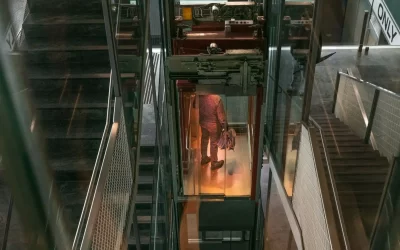
What to Do If Your Lift Fails a LOLER Inspection
A failed LOLER inspection means a competent person has found a defect during the thorough examination of your lift that could pose a risk to people. If that's why you're here, take a breath. It's not the end of the world, but it is something you need to deal with...

Lifts in Existing Buildings: Key Challenges
Fitting a lift into a building that was never designed to hold one is a bit like trying to squeeze a modern kitchen into a Georgian townhouse. It can be done, but only if you understand what you're working with first. Lifts in existing buildings present structural and...

Planning Permission and Building Regulations for New Lifts
Do you need planning permission for a lift? In most cases, installing a new lift in a residential or commercial property in Essex and London does not require planning permission, but it almost always requires building regulations approval. This distinction trips up a...

Standard Lift Sizes and Dimensions Explained
At Future Lift Services, we treat lift dimensions as the starting point for any safe and workable scheme, not a fixed checklist. The available lift shaft, pit depth, headroom, door width and landing clearance set the envelope for the lift car, standard capacity and...

Top UK Lift Manufacturers to Consider
Choosing the right lift manufacturers affects safety, reliability and long term running costs. It also shapes how well your elevator systems can be maintained, modernised and kept compliant over time in the UK elevator market. For most building owners, the best...
Understanding PUWER and LOLER Regulations: Key Differences
For most lifts and lifting machinery on a work site, this usually isn't an either/or choice. In our experience on the tools, both sets of regulations tend to apply together. Our engineers at Future Lift Services work with property and facilities managers to make these...

12 Lift Maintenance Mistakes To Avoid
If you manage a building, you'll know the feeling: a lift stalls at 8:45am, people stack up in reception, tempers fray and operations slip. In our experience, many of those moments trace back to maintenance choices that could have gone differently. In our work at...

How Lift Braking Systems Ensure Safety
If you manage a building, brakes rarely cross your mind until you feel a jolt, smell hot friction, or take a call that a lift is stuck between floors. We think about them constantly. And from what we see on site, one of the strongest indicators of a safe, smooth,...
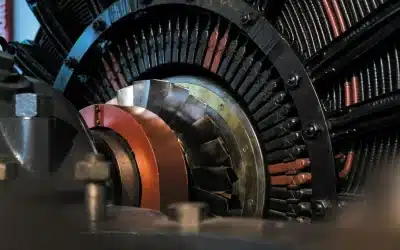
Understanding Lift Motor Technology
You press the button, the doors close, and the car moves. What keeps that movement quiet, smooth and safe is the motor system. A lift motor, or elevator motor, converts electrical energy into mechanical energy. It either turns the traction sheave or drives a hydraulic...

What’s Inside a Lift Shaft? Explained
If you carry responsibility for a lift, a diagram only gets you so far. What helps on the ground is knowing what sits inside the shaft, how the parts behave together, and where problems tend to start before they turn into breakdowns. This is our safety-first...
Emergency Power Systems for Lifts: A Complete Guide to Compliance and Safety
Emergency power systems for lifts are backup power solutions that cut in when the mains fails so the lift can get people to a safe floor and let them out. In the UK they are now a basic expectation in taller and higher risk buildings, not a nice extra. What Are...
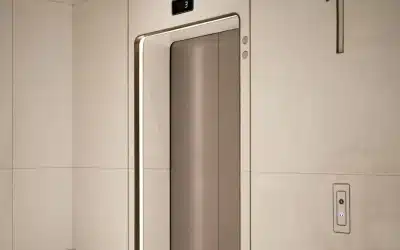
How Lift Doors Work: A Technical Look
Elevators might seem straightforward, but there's a whole world of engineering behind those sliding doors. Ever think about what makes them open just when you need them to? It’s all down to a fantastic combination of motors, mechanics, and modern design. We’re diving...