
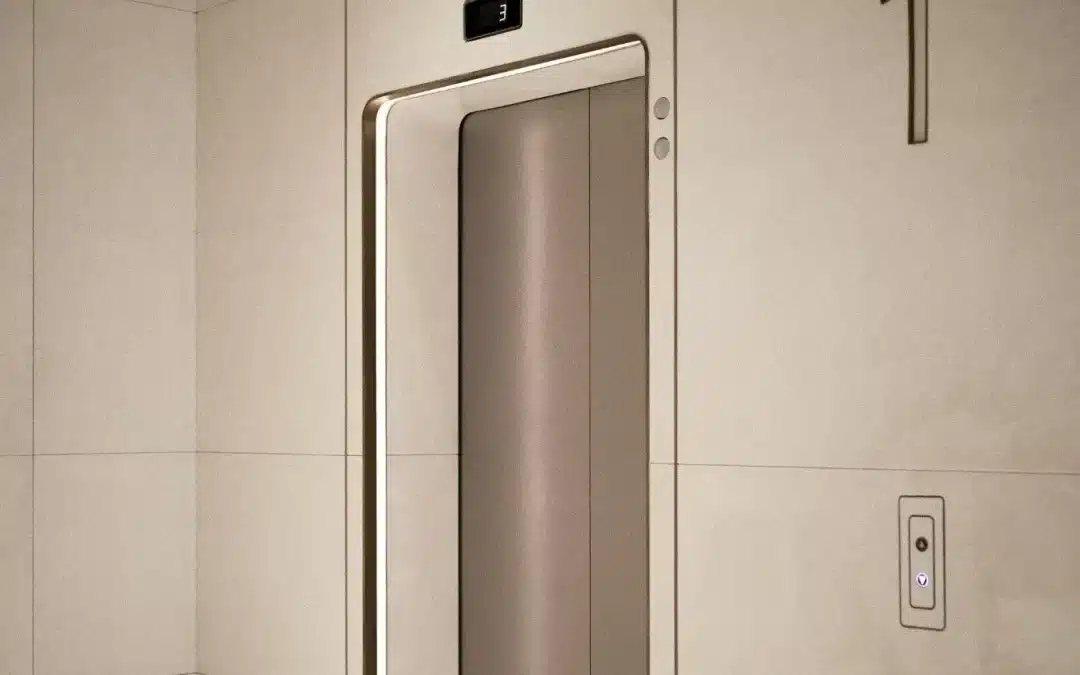
Elevators might seem straightforward, but there’s a whole world of engineering behind those sliding doors. Ever think about what makes them open just when you need them to? It’s all down to a fantastic combination of motors, mechanics, and modern design. We’re diving deep into lift doors: how they function, protect you, and why maintaining them is crucial.
From understanding the motor at its core to exploring all the different types of doors you might encounter, this article breaks it down. Whether you’re fascinated by technology or simply curious, there’s something here for everyone.
Understanding Lift Door Mechanics
Lift doors are more than just barriers that separate us from the elevator shaft; they are integral to the functionality of a lift system. At the heart of this operation is the electric motor, a pivotal component in controlling the opening and closing of the doors.
Primary Mechanism: Electric Motor Operation
The electric motor is vital for the functionality of elevator doors. It’s like the heartbeat of the system. When a user presses the lift button, an electric impulse is sent that instructs the motor to start its operation. This impulse aligns with a control system responsible for ensuring the doors open when they should and close efficiently once passengers have boarded or exited. This motor, often mounted on the car top, uses a system of pulleys and metal arms to engage the doors. As the electric motor turns, car doors and landing doors are synchronised to move in harmony, providing easy access to the car while ensuring passenger safety.
Safety Protocols within Door Operations
Passenger safety is paramount in lift systems. This is reflected in the variety of safety mechanisms integrated into every elevator door system. Sensors play a key role here by reacting to obstructions. If something is detected in the path of closing doors, sensors ensure the doors do not continue to close. This vital function prevents accidents and enhances overall passenger safety. Additionally, door interlocks provide an extra layer of security by preventing the doors from opening unless the lift is correctly positioned at a building floor.
Different Types of Elevator Door Designs
Lift doors come in various designs, each tailored to the specific needs of different environments. From the classic sliding doors to modern glass designs, it’s fascinating to appreciate the range of options available.
Key Features of Door Types: From Sliding to Centre-Parting
- Sliding Doors: These are perhaps the most common. The panels glide open along guide rails, typically in the same direction. They are prevalent in settings like office buildings, where space-efficient solutions are essential.
- Centre-Opening Doors: These consist of two panels moving in opposite directions, fostering quick access and exit, crucial for passenger elevators in busy commercial settings.
- Side-Opening Doors: Utilised in narrower shafts, these doors comprise a single panel that entirely slides to one side, optimising space.
- Hatch Doors: Often used in freight lifts, these consist of vertical bi-parting doors that move up and down, differing from the conventional lateral movement of most passenger lift systems.
Advancements in Door Technology
The drive towards innovation is strong in lift technology. Automatic doors, now a standard in most modern elevators, use advanced sensor systems to open and close without direct human intervention, enhancing efficiency and safety. There’s a growing trend towards glass elevator doors, driven by aesthetic and security benefits. For more durable and long-lasting service, stainless steel doors are common, offering a sleek appearance that fits various building types.
Operational Dynamics of Elevator Doors
In many ways, the doors are the face of an elevator system. Their operation is a choreographed dance that depends heavily on mechanical precision and robust control systems.
How Elevator Doors Open and Close
Here’s a closer look at the process. The electric motor operates both the car and landing doors through a delicate balance of gears, wheels, and pulleys. When the elevator cab arrives at a floor, the car door cam moves to unlock the outer doors, allowing them to open in unison with the car doors. This synchronisation is vital as the average elevator opens roughly 200,000 times a year, demanding high efficiency.
The Role of Control Systems in Door Functions
The control system manages every aspect of door operation. Acting as the brain of the operation, the elevator controller decides when the doors should open based on which floor the cab is approaching. This coordination, driven by electric impulses, ensures that the doors remain properly maintained even under frequent use.
Importance of Regular Maintenance and Repairs
Given the complexity and frequency of use, regular maintenance of lift doors cannot be overstated.
Routine Procedures for Door Maintenance
Routine checks and maintenance help preempt issues that could disrupt service. This includes inspecting the alignment of the doors, verifying sensor functionality, and ensuring all mechanical parts such as guide rails and sliding mechanisms are in prime condition. Lift door repair and troubleshooting are essential to sustain lift door performance, especially in high-traffic areas.
Addressing Safety Standards and Compliance
Safety standards are critical, and compliance is non-negotiable. Regulations ensure doors are fitted with safety features like edge sensors and confirm that critical components meet British Standards such as the BS EN mechanisms laid out for elevator operations. Keeping up with compliance not only assures safety but also fosters passenger confidence.
Practical Applications and Environment Adaptations
Selecting the right type of elevator door depends heavily on the intended environment and application.
Choosing the Right Door for Different Contexts
For commercial elevators in busy office buildings, efficiency and durability are key, making automatic doors with advanced sensor technology a prime choice. Conversely, residential elevators work better with simpler, more space-efficient designs, such as single door or side-opening configurations, offering functionality with style and efficiency.
Innovations and Future Trends in Lift Doors
Looking ahead, advancements in energy and space efficiency are set to transform how lift doors are designed and installed. Innovations like regenerative drives are creating more energy-efficient systems, and the trend towards customisable designs allows for doors that are tailored not only to functional but also aesthetic preferences.
Installation and Replacement: Getting Lift Doors Right First Time
Lift door installation has a direct impact on how well an elevator performs day to day. If the lift door mechanism is not properly aligned from the start, it can lead to ongoing issues with how doors slide and how reliably they operate.
Modern lifts rely on multiple sets of doors working together. This includes both the car doors and landing doors, which must stay perfectly synchronised.
Key considerations during lift door installation include:
- Ensuring doors open automatically at the correct time and position
- Calibrating smooth automatic door operation across all floors
- Aligning tracks so doors slide without resistance or noise
- Testing safety features before the lift enters service
Over time, systems may need lift door replacement due to wear or outdated components. Upgrading to newer lift door types can improve both performance and appearance.
Benefits of timely replacement include:
- Improved lift door durability in high-use environments
- Better lift door efficiency with modern components
- Access to newer lift door innovations like quieter motors and smarter sensors
- Reduced long-term maintenance costs
Compliance, Inspections, and Long-Term Safety
Lift door safety standards are essential for keeping passengers safe and systems legally compliant. In the UK, LOLER inspection requirements ensure that lifts are regularly checked and operating correctly.
These inspections focus heavily on lift door compliance, including how well safety features perform under real conditions.
Key elements checked during a LOLER inspection include:
- The condition of the lift door mechanism
- Functionality of door safety edges
- Accuracy of automatic door operation
- Alignment and smoothness as doors slide
- Reliability of sensors when doors open automatically
Ongoing maintenance procedures are just as important as inspections. Regular servicing helps identify small faults before they become major problems.
Typical maintenance procedures include:
- Testing door safety edges and sensors
- Cleaning tracks to prevent obstruction
- Checking alignment across all sets of doors
- Monitoring wear to maintain lift door durability
Keeping up with lift door compliance does more than meet regulations. It helps maintain consistent lift door efficiency, reduces unexpected breakdowns, and ensures a safer experience for everyone using the lift.
How to Ensure Optimal Door Functionality in Everyday Use
Ensuring elevator doors continue to function seamlessly requires both routine maintenance and informed usage.
Step-by-Step Guide to Everyday Operations
- Routine Inspections: Regular checks for wear and tear, especially in guide rails and mechanical components.
- Sensor Tests: Ensure safety sensors are correctly aligned and operational.
- Cleaning Tracks: Keep door tracks clean and free from debris that could hinder smooth operation.
Pro Tips for Sustainable Lift Management
To promote long-term functionality and efficiency:
- Regularly engage in comprehensive maintenance checks, focusing on lift door alignment and lift door sensors.
- Schedule lift modernisation where necessary to implement the latest advancements for better efficiency.
- Choose materials that enhance durability and meet the aesthetic needs of your environment.
Summary and Key Takeaways
In our journey through the mechanics and maintenance of lift doors, we’ve explored how these crucial components blend engineering precision with everyday functionality. Here’s what really matters when it comes to elevator doors:
- Core Mechanisms: An electric motor and a complex system of pulleys ensure synchronised door movement.
- Safety Features: Sensors and interlocks play a pivotal role in preventing accidents and ensuring compliance with safety standards.
- Design Varieties: From sliding to hatch doors, different settings demand specific door designs.
- Technological Advances: Automatic and glass doors mark significant improvements in both aesthetic and safety aspects.
- Operational Precision: Door operation depends on well-tuned mechanical systems and robust control processes.
- Maintenance Essentials: Routine checks, compliance adherence, and timely repairs are critical to sustaining performance.
- Custom Solutions: Choosing the right door type depends heavily on environment and purpose, with future trends pointing towards energy efficiency and custom designs.
Closing Thoughts
Understanding the intricate function and maintenance of lift doors not only enhances safety but also boosts reliability and user experience. For detailed insights or specific maintenance needs, reach out to Future Lift Services. We’re here to provide expert solutions, ensuring your lift doors operate smoothly and safely.
With years of experience in the industry, our expert lift engineers have the expertise and skills to carry out a range of lift modernisation solutions effectively and efficiently. We offer a range of lift services, including modernisation, lift installation, maintenance, and more.
Contact Us
FAQs
What should I do if lift doors stop working suddenly?
If lift doors fail to open or close properly, it’s important to arrange an emergency lift call out as soon as possible. This ensures the issue is diagnosed quickly and prevents further disruption or safety risks.
How often should passenger lift servicing include door checks?
Passenger lift servicing should always include a full inspection of the door system. Regular checks help ensure the lift door mechanism, sensors, and automatic door operation continue to function safely and efficiently.
Which lift door materials are best for durability?
Common lift door materials include stainless steel, glass, and powder-coated finishes. Stainless steel is widely preferred for its strength and lift door durability, especially in high-traffic environments.