
The lift technology industry is poised for remarkable transformation by 2026, driven by technological advancements that promise to redefine vertical transportation. As urban landscapes grow increasingly complex, the demand for smarter, safer, and more energy-efficient lift systems is higher than ever. From integrating cutting-edge smart technologies to improving energy efficiency and safety standards, these developments are crucial for both commercial and residential settings.
This article explores the future of lift technology, providing insights into smart elevators, safety protocols, and the integration of accessibility features.
Key Concepts of Lift Technology
Lift technology and manufacturing processes are rapidly evolving, driven by a focus on energy efficiency, safety, and smart technology integration. At its core, lift technology enhances vertical transportation, providing a reliable and efficient means of moving people and goods between floors. This is achieved through sophisticated elevator systems that incorporate cutting-edge features to optimise performance. The integration of advanced manufacturing materials into lift designs is becoming increasingly important, connecting advanced materials with practical applications in real industry challenges.
- Energy Efficiency: Modern lifts are designed to consume less power while maintaining high performance, essential for reducing operational costs and minimising environmental impact.
- Safety: Safety remains paramount, with stringent standards set by organisations such as the British Standards Institution (BSI) and the International Organisation for Standardisation (ISO). These standards ensure lifts are built and maintained to the highest safety levels.
- Smart Elevators: Smart lift technology represents another key area of development, integrating advanced control systems that allow for improved operation and energy management. These systems utilise technologies like machine learning and the Internet of Things (IoT) to adapt to usage patterns, enhancing both efficiency and user experience.
By 2026, we can expect further advancements in these areas, with lifts becoming even more energy-efficient and safer, thanks to ongoing research and innovation. Future Lift Services is committed to staying ahead of these trends, offering solutions that meet the evolving needs of our clients. This commitment is supported by a focus on talent development and new teaching techniques, ensuring the future workforce is well-prepared.
Lift Modernisation
Smart Elevators and Energy Efficiency
Smart elevators are revolutionising the way buildings manage energy, offering significant improvements in energy efficiency. By incorporating advanced control systems and sustainable technologies, these elevators optimise performance while reducing energy consumption. This not only lowers operational costs but also aligns with growing environmental concerns and connects advanced materials to practical applications.
- Destination Control Systems: These systems group passengers based on their floor destinations, minimising the number of stops and reducing energy usage.
- Regenerative Drives: Capture energy during descent and feed it back into the building’s power grid, resulting in energy savings of up to 30% compared to traditional systems.
Statistics demonstrate the impact of these technologies. According to a report, smart elevators can reduce a building’s energy consumption by up to 50%. This makes them an attractive option for property owners looking to lower their carbon footprint and operational costs.
The integration of IoT technology further enhances elevator energy performance. By monitoring real-time usage data, these systems can adjust performance dynamically, ensuring optimal energy use. This not only improves efficiency but also enhances the user experience by reducing wait times and improving ride comfort. Such innovations are part of the broader strategy to accelerate innovation and support smarter manufacturing.
Smart elevators are a testament to the potential of technology to transform the lift industry. As we move towards 2026, these innovations will become more prevalent, offering substantial benefits in terms of energy efficiency and sustainability. This progress is supported by systems engineering approaches that integrate various technologies and processes.
Hydraulic and Traction Lifts: Smooth Operation and Space Saving
Hydraulic and traction lifts are two prominent types of elevator systems, each offering unique benefits in terms of operation and space efficiency.
- Hydraulic Lifts: Known for their smooth operation, they provide a comfortable ride for passengers. They operate using a piston mechanism, ensuring a steady ascent and descent, making them ideal for low-rise buildings.
- Traction Elevators: Renowned for their efficiency, they are commonly used in high-rise buildings. They operate using a system of ropes and counterweights, allowing for faster travel and greater energy efficiency. Traction lifts are often preferred for their ability to handle higher capacities and longer travel distances.
- Machine Room-Less (MRL) Lifts: A modern innovation that combines the best of both systems. These lifts eliminate the need for a separate machine room, saving valuable space within the building. MRL lifts utilise compact machinery that fits within the lift shaft, making them an excellent choice for buildings where space is at a premium.
Here’s a comparison of the different lift types:
| Lift Type | Operation | Space Requirement | Cost Efficiency |
| Hydraulic Lifts | Smooth | Moderate | High |
| Traction Elevators | Efficient | High | Moderate |
| MRL Lifts | Efficient | Low | Moderate |
The choice between these lift types depends on various factors, including building height, space availability, and budget. However, all these systems benefit from advancements in technology that enhance their performance and efficiency. Safety standards play a crucial role in ensuring these technologies operate effectively, a topic we will explore further in the next section. By incorporating new materials, these systems are continuously improved to meet evolving demands.
Lift Safety Standards: Ensuring Passenger Safety
Lift safety standards are critical in ensuring the safe operation of elevators, protecting passengers and property. These standards are established by regulatory bodies and industry associations, such as the British Standards Institution (BSI) and the Lift Industry Association. They provide comprehensive guidelines for the design, installation, and maintenance of lifts, ensuring compliance with rigorous safety requirements.
- Emergency Braking Systems: Essential in preventing accidents and ensuring the safe operation of lifts.
- Door Sensors and Overload Protection: Key safety features mandated by these standards.
Regular inspections and maintenance are also required to ensure that lifts remain in optimal condition. Future Lift Services prioritises safety and compliance, adhering to the highest industry standards. Our qualified engineers conduct thorough LOLER (Lifting Operations and Lifting Equipment Regulations)inspections, ensuring that all lifts meet statutory safety requirements. We also offer comprehensive maintenance services to keep lifts functioning safely and efficiently.
Compliance with safety standards is not only a legal requirement but also a crucial aspect of building management. By ensuring that lifts are maintained to the highest standards, property owners can reduce the risk of accidents and enhance passenger confidence. As we move towards 2026, safety standards will continue to evolve, incorporating new technologies and practices to enhance lift safety further. This evolution is part of the broader effort to accelerate innovation and stay ahead of real industry challenges.
Lift Maintenance and Modernisation: Extending Lifespan
Lift maintenance is a vital aspect of building management, essential for extending the lifespan of elevators and ensuring their optimal performance. Regular maintenance involves routine checks and updates, addressing wear and tear and preventing potential issues before they escalate. This proactive approach not only enhances safety but also reduces downtime and repair costs. The development of new tools and systems has made maintenance more efficient, supporting medium-sized manufacturers in the process.
- Regular Maintenance: Statistics show that regular maintenance can extend a lift’s lifespan by up to 25 to 30 years, depending on usage and environmental factors.
- Modernisation: Involves upgrading outdated systems with the latest technology, improving performance, safety, and energy efficiency. This can include installing new control systems, upgrading to smart elevators, or retrofitting accessibility features.
Our qualified engineering team is equipped to handle all aspects of lift maintenance and modernisation, providing comprehensive support to ensure your lifts operate at peak performance. Whether you require routine maintenance, emergency repairs, or full modernisation, Future Lift Services offers tailored solutions to meet your needs. This service includes deploying next-generation materials to enhance lift performance and sustainability.
Contact Us
Accessibility Features: Enhancing User Experience
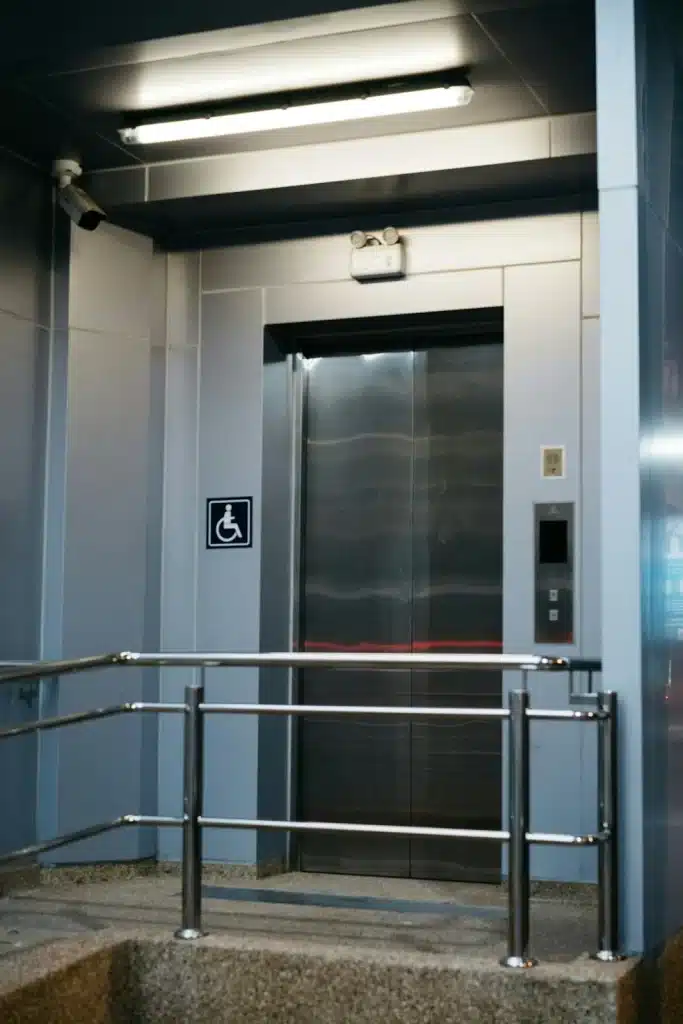
Accessibility features play a crucial role in enhancing the user experience, ensuring that lifts are usable by everyone, including those with disabilities. These features are essential for promoting inclusivity and compliance with accessibility standards set by organisations like the British Standards Institution (BSI).
- Braille Buttons and Auditory Signals: Key accessibility features that make lifts more user-friendly and ensure that individuals with mobility challenges can navigate buildings with ease.
- Wide Doors and Voice-Activated Controls: Increasingly common features offering further convenience and safety.
The impact of accessibility features extends beyond individual lifts, influencing building design and architecture. By incorporating these features into lift systems, property developers can create more inclusive environments that cater to diverse needs. This is particularly important in lifts for public buildings, where accessibility is a legal requirement.
Summary and Key Takeaways
The future of lift technology is set to bring significant advancements, reshaping the landscape of vertical transportation. By 2026, improvements in energy efficiency, safety, and accessibility will be paramount. Here are the key takeaways from our exploration:
- Energy Efficiency: Smart elevators can reduce a building’s energy consumption by up to 40%, making them an attractive option for sustainability-focused property owners.
- Safety Standards: Compliance with rigorous safety standards ensures passenger security, with features like emergency braking systems and door sensors being critical components.
- Lift Types: Hydraulic and traction lifts offer distinct advantages, with MRL lifts providing space-saving solutions.
- Maintenance and Modernisation: Regular maintenance can extend a lift’s lifespan by up to 25 years, while modernisation updates systems with the latest technology.
- Accessibility: Inclusive design with features like braille buttons and wide doors enhances usability for all passengers.
Closing Thoughts
As the lift industry continues to innovate, Future Lift Services remains dedicated to providing cutting-edge solutions that meet the evolving demands of the market. For building managers and property owners, staying informed about these advancements is essential for making strategic decisions regarding lift installations and maintenance.
With years of experience in the industry, our expert lift engineers have the expertise and skills to carry out a range of lift modernisation solutions effectively and efficiently. We offer a range of lift services, including modernisation, lift installation, maintenance, and more.
Contact Us
FAQs
1. How does Integrated Computational Materials Engineering (ICME) enhance modern lift systems?
Integrated Computational Materials Engineering (ICME) plays a pivotal role in developing advanced lift components by connecting materials science with real-world engineering applications. Through ICME, engineers can simulate and optimise material performance before large-scale production, ensuring greater durability, energy efficiency, and safety in full-scale equipment. This approach accelerates process development and supports innovation across the lift manufacturing sector.
2. What role does project-based learning play in workforce development within the lift industry?
Project-based learning has become an essential strategy for workforce development, enabling engineers, technicians, and apprentices to gain hands-on experience with modern lift systems. A mastering manufacturing curriculum built around real industry challenges allows learners to develop practical knowledge of maintenance, smart elevator technologies, and safety systems. This method ensures that the future workforce is equipped with the critical skills needed to adapt to emerging technologies in vertical transportation.
3. How is process development connected to future trends in lift manufacturing?
Process development in lift technology focuses on improving performance, sustainability, and the integration of new materials. By connecting materials research to manufacturing innovations, companies can create smarter, more efficient, and environmentally friendly lift solutions. Through continuous learning programs and collaboration with academic and industrial partners, manufacturers are able to develop full-scale equipment that meets new standards of quality, reliability, and accessibility.