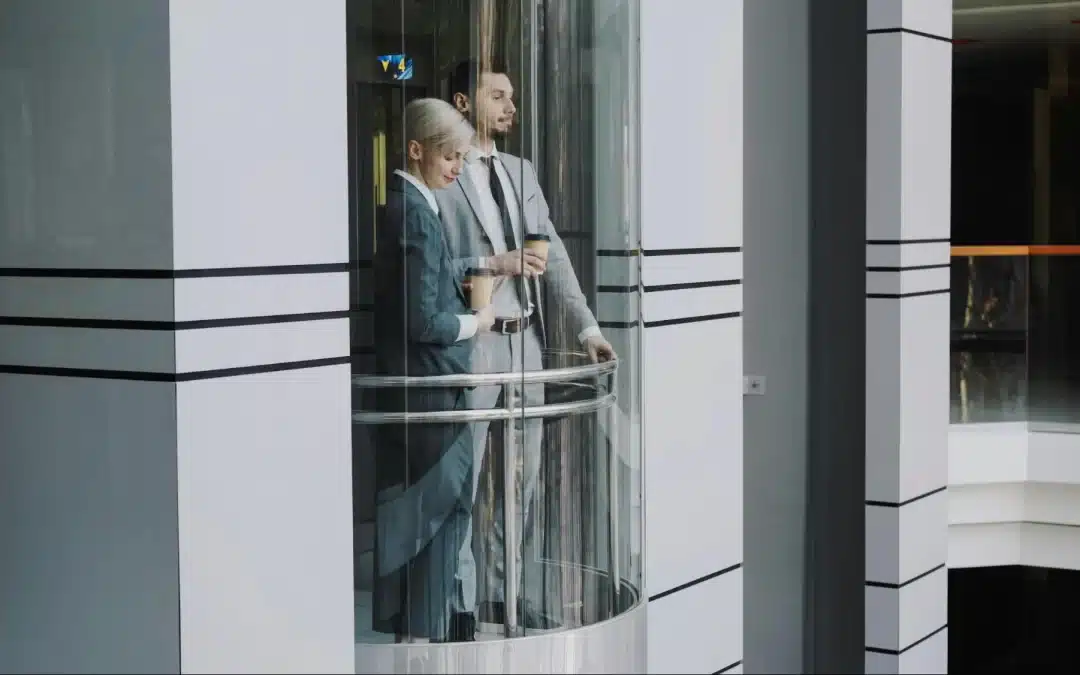
Picture this: you’ve got a building that needs a lift, but space is tight. Enter machine-room-less (MRL) lifts, a practical marvel of modern engineering that fits all critical machinery right within the elevator shaft itself. Imagine not needing a separate room just for the mechanics. These MRL lifts save space and simplify things, making them an urban planner’s dream come true. We’re talking better design flexibility and a streamlined installation process.
So, what’s the big picture here? MRL lifts maximise efficiency and aesthetics, all while keeping up with the latest building codes. This setup not only preserves precious building space but also aligns beautifully with today’s environmental and architectural standards. Stick around as we explore how these lifts are reshaping traditional elevator use and redefining modern urban architecture.
Understanding Machine Room Less Lifts and Their Benefits
What Are Machine Room Less Lifts?
Machine room less lifts (MRL) are a modern marvel in vertical transportation designed to maximise space utilisation within buildings. Unlike traditional elevators that require a designated machine room, MRL lifts incorporate their machinery within the lift shaft itself. This innovation eliminates the need for additional structural space, making MRL lifts highly effective in environments where space is limited.
MRL technology offers a practical solution by integrating equipment typically found in traditional traction and hydraulic elevators directly into the hoistway. This clever design not only saves space but also simplifies the installation process. It aligns well with current building codes for elevators, ensuring that even modern structures can benefit from this efficient technology.
Essentially, MRL lifts are all about optimising what you’ve got, often enhancing building aesthetics and design flexibility.
Lift Installation Services
Key Advantages of Machine Room Less Lifts
When it comes to energy efficiency, MRL lifts are a step ahead. They utilise advanced gearless traction motors, which significantly reduce power consumption compared to their traditional counterparts. This energy-efficient design offers long-term savings on energy bills and aligns beautifully with sustainable building practices.
One of the standout benefits of MRL elevators is their space-saving design. With no requirement for a separate machine room, architects have greater flexibility to design aesthetically pleasing and functional spaces. This means MRL lifts are particularly popular in limited space buildings, such as urban offices and residential apartments, where every square metre counts.
Additionally, the installation of MRL lifts is typically quicker and more straightforward than traditional elevators, which is advantageous for both new constructions and retrofitting projects. The combination of design flexibility, energy efficiency, and installation speed makes MRL lifts a compelling choice in modern architecture.
Comparing MRL Lifts with Traditional Elevators
How MRL Elevators Compare to Traditional Traction Elevators
The primary distinction between MRL elevators and traditional traction elevators is the absence of a separate machine room in MRL systems. Traditional elevators require a dedicated space for the machine room, significantly impacting the building’s structural design. In contrast, MRL lifts seamlessly integrate their gear directly into the elevator shaft, providing structural and design benefits while maintaining building aesthetics.
From a cost perspective, this integrated design can reduce initial construction expenses, as less space is needed for installation. Furthermore, the installation flexibility of MRL lifts makes them an attractive option for both new builds and upgraded facilities.
Pros and Cons of MRL vs Traditional Elevators
MRL elevators often enjoy reduced maintenance costs due to their compact machinery footprint. Fewer parts mean less wear and tear, translating into easier and less expensive maintenance. However, it’s important to note that the lifespan of MRL systems, averaging around 15 to 20 years, may require more frequent updates compared to traditional elevators.
When considering maintenance, it’s essential to understand the impact on safety regulations. MRL lifts also support the business impact for commercial buildings by creating more usable and revenue-generating spaces instead of allocating square footage for a machine room. The decision between MRL and traditional elevators thus hinges on balancing the cost of installation, maintenance, and the specific needs of the building.
Comparison Table
| Feature | MRL Lifts | Traditional Lifts |
| Space Requirement | Minimal | Separate Machine Room |
| Energy Efficiency | High | Moderate |
| Cost | Lower Long-term | Higher Initial |
| Maintenance | Easy Access | Complex |
| Suitable for | Mid/Low Rise | All Building Types |
Machine Room Less Lifts in Different Building Types
Applications of MRL Lifts in Mid-Rise and Low-Rise Buildings
MRL lifts boast a compact design that facilitates installation in mid-rise buildings of up to thirteen floors. This makes them ideal for both residential and commercial settings, where every inch of space is at a premium. In urban development, where mid-rise and low-rise buildings are prevalent, MRL lifts offer a seamless integration that preserves the architectural integrity of the structure.
By offering a space-efficient solution, MRLs allow architects to exercise creativity in floor design without the overhead of a machine room. This advantage extends to residential buildings such as apartments and hotels, where room for vertical transportation devices is often limited.
Installation and Space Utilisation in Urban Development
The allure of MRL lifts lies in their ability to maximise valuable urban space without compromising on safety. Their compact machinery installation ensures compliance with all necessary safety norms while optimising the footprint. This approach is particularly beneficial in urban developments, where space is precious, and the demand for efficient, aesthetically pleasing architecture is high.
From a safety standpoint, MRL lifts come equipped with features that guarantee passenger safety without the need for additional structure. This makes them a smart approach for urban architects looking to blend functionality with design.
Energy Efficiency and Technological Advancements
Enhancing Energy Efficiency with MRL Technology
MRL technology leads the pack in energy efficiency. It leverages permanent magnet synchronous motors, which do not need oil lubrication, thereby improving overall environmental safety. Additionally, the incorporation of regenerative drives allows these lifts to convert energy during descent into usable electricity, making them significantly energy efficient.
The use of smart control systems further enhances energy management, adjusting operational speed based on load and travel distances. This precise control minimises energy consumption while maintaining optimal lift performance.
Technological Innovations in MRL Controls
The advanced control systems in MRL lifts ensure efficient operation, adapting speed and performance to suit load requirements. This makes MRL elevators more versatile, catering to diverse building needs while maintaining safety standards.
Technological advancements continue to reshape the landscape of MRL controls, integrating features that prioritise safety and energy regulation. These innovations ensure that MRL lifts not only meet but exceed contemporary safety and operational efficiency standards.
Safety, Compliance, and Long-Term Performance
When choosing an MRL system, safety and compliance should always come first. These lifts are built to meet strict lift safety standards and ensure full compliance with regulations, giving peace of mind for both building owners and users.
Even without a dedicated machine room, all key parts are carefully installed inside the shaft. This design still allows safe access for inspections and servicing while keeping everything compact and efficient.
Modern MRL lifts come with advanced safety features that help them operate smoothly and securely:
- Emergency braking systems for immediate stopping when needed
- Door sensors to prevent accidents during opening and closing
- Load monitoring to manage elevator car load capacity effectively
- Smart controls that support consistent ride quality
These systems rely on advanced technology to monitor performance in real time, helping to identify issues before they become serious problems.
Lift maintenance is essential for keeping everything running as it should. While MRL systems are designed for efficiency, they still require regular servicing to maintain reliability and responsiveness.
Key maintenance considerations include:
- Routine checks aligned with technical specifications
- Ensuring continued safety and compliance
- Supporting long-term performance and accessibility
- Preventing unexpected downtime
Lift modernisation is another factor to keep in mind. As lift technology innovations continue to develop, upgrading older systems can improve safety features, enhance energy efficiency, and ensure compliance with current standards.
Whether planning a new lift installation or upgrading an existing system, MRL lifts offer many benefits. They combine safety, space-saving design, and reliable performance, making them a strong choice for modern buildings.
Choosing the Right Lift for Your Building Needs
Selecting the appropriate lift solution often involves a careful evaluation of building height, space availability, and budget considerations. MRL elevators reduce installation overheads due to their compact design and minimal space requirements, making them particularly beneficial for mid and high-rise buildings.
Ultimately, the choice of lift should align with the building’s functional and aesthetic goals while considering the long-term impact on operating costs and space utility.
Summary and Key Takeaways
As we wrap up this deep dive into machine-room-less lifts, it’s clear they’re more than just a convenience, they’re a game-changer for urban architecture. Here’s why MRL lifts are worth considering for your next construction or renovation project:
- Space-Efficient Design: MRL lifts integrate machinery within the lift shaft, eliminating the need for a separate machine room, which maximises the useable space in buildings.
- Energy Efficiency: Utilization of gearless traction motors and smart control systems enhances energy savings, reducing overall environmental impact.
- Cost Benefits: While the initial cost may be similar or slightly higher, MRL lifts promise savings on energy bills and lower maintenance costs over time.
- Quick Installation: Streamlined installation processes mean less construction time, making MRL lifts ideal for both new constructions and retrofits.
- Versatility: Suitable for mid-rise, low-rise buildings, and urban developments, especially where space and design flexibility are prioritized.
Closing Thoughts
In essence, MRL lifts offer a modern solution that supports efficient transportation in tight spaces without compromising on functionality or aesthetics. As you consider your building’s access and transportation needs, think about how MRL technology could make a difference. At Future Lift Services, we’re here to help navigate these options, offering expert guidance to tailor solutions specifically to your requirements.
With years of experience in the industry, our expert lift engineers have the expertise and skills to carry out a range of lift modernisation solutions effectively and efficiently. We offer a range of lift services, including modernisation, lift installation, maintenance, and more.
Contact us today to learn more about our offerings and how we can assist you in making the best lift decisions.
FAQs
What is a machine room-less elevator?
A machine room-less elevator integrates its machinery within the lift shaft, eliminating the need for a separate machine room. This design maximises building space and optimises installation.
Are machine room less elevators more expensive?
Initial costs may be comparable or slightly higher than traditional options, but they offer savings in energy consumption and occupy less space, leading to long-term financial benefits.
What are the advantages of machine room-less elevators?
The primary advantages include enhanced space efficiency, reduced energy consumption, quicker installation, and lower maintenance costs. They also offer design flexibility for modern architectural needs.
Who invented machine room-less elevators?
The concept of the machine-room-less lift emerged from advancements in elevator technology seeking to address space limitations and improve energy efficiency. Specific contributions have been made by multiple companies in the industry.