Last updated:
Most articles about facilities management are written for an FM audience — people who already know what FM is. This one is different. It’s written by Ross Darcy, Operations Manager at Future Lift Services, for the building managers and property directors who commission FM services and want to understand where lift maintenance sits within the wider FM picture. We work directly with FM teams across Essex and London, and the questions we get asked most often are not about theory — they’re about accountability: who checks the lift, how often, and what happens when something goes wrong.
When you walk into an office, hospital, or even a shopping centre, have you ever wondered how it all stays so pristine and functional? The secret behind this smooth operation is facilities management. It’s an often overlooked yet crucial aspect that ensures the built environment around us remains safe, efficient, and pleasant.
Facilities management covers everything from routine lift maintenance and health and safety compliance to energy efficiency and sustainability initiatives. It’s about creating an environment where businesses can thrive, employees are productive, and visitors feel welcome.
In this guide we will look at the definition of facilities management and the array of services it encompasses.
What is Facilities Management?
Facilities management (FM) is a multidisciplinary field devoted to the efficient and effective delivery of support services for the organisations that it serves. Essentially, it’s about ensuring that buildings, their systems, and their occupants are all well taken care of. A facilities manager orchestrates this by balancing a wide range of responsibilities to maintain and enhance the physical environment.
At its core, facilities management integrates people, place, process, and technology to ensure the functionality, comfort, safety, and efficiency of the built environment. This includes everything from maintaining building systems like HVAC, lighting, and lifts, to ensuring compliance with health and safety requirements.
The Role of a Facilities Manager
Facilities managers are the unsung heroes who ensure that everything in a building operates smoothly. They are tasked with overseeing both hard and soft services:
Hard Facilities Management
Hard facilities management focuses on the physical, structural, and infrastructural components of a building. This includes regular maintenance of the building fabric and systems, ensuring lifts and elevators are operational and safe, implementing energy efficiency measures, and maintenance of HVAC systems.
Soft Facilities Management
Soft facilities management deals with services that make the workplace more pleasant and secure, such as cleaning services, security, landscaping, and ensuring compliance with health and safety regulations.

Where FLS Fits Within an FM Function
FLS operates as a specialist hard FM subcontractor. In practice, this means we are engaged directly by facilities managers as the competent person for all lift-related obligations under LOLER 1998. Our role typically covers three interconnected areas: planned preventive maintenance under a service contract, statutory LOLER thorough examinations (which must be carried out by an independent competent person), and reactive repair callouts — including 24/7 emergency response.
The distinction that matters most to FM teams is between scheduled maintenance visits and statutory inspections. These are separate obligations with separate documentation requirements. A maintenance visit carried out by your lift contractor does not satisfy the LOLER thorough examination requirement — the examination must be independent. We regularly audit buildings where these two functions have been conflated, and the building is technically non-compliant as a result.
Facility Management Services
The range of facility management services is vast, ensuring that every aspect of a building’s operation is covered. These services can be broadly categorised into a few key areas:
Maintenance and Operations
Routine maintenance and operations are critical to prevent unexpected breakdowns and ensure that all systems are functioning optimally. This includes regular inspections, repairs, and servicing of building systems such as electrical, plumbing, and mechanical systems.
Space Management
Effective space management ensures that the physical space is used efficiently. This involves planning and managing the layout and allocation of office spaces, ensuring that the workspace is optimised for productivity and comfort.
Project Management
Facilities managers often oversee renovation and construction projects, ensuring they are completed on time, within budget, and according to specifications. This requires a keen eye for detail and excellent organisational skills.
Sustainability Initiatives
With increasing emphasis on sustainability, facilities management also involves implementing green initiatives. This can include improving energy efficiency, reducing waste, and ensuring compliance with environmental regulations.
Health and Safety
Ensuring the health and safety of building occupants is a top priority. Facilities managers must stay up-to-date with health and safety requirements, conducting regular risk assessments and implementing necessary safety measures.
The Importance of the Facilities Management Department
Facilities management is essential for several reasons. It ensures operational efficiency, providing a safe and comfortable environment for employees, customers, and visitors. It also helps in cost management by optimising building operations, improving productivity with a well-maintained workspace, ensuring compliance with regulations, and implementing sustainability initiatives.
Lifts and Elevators: A Closer Look
Lifts are essential for the accessibility and smooth operation of any multi-storey building. Regular maintenance and prompt repairs are necessary to ensure their safe and reliable operation.
Maintenance of Lifts and Elevators
Regular maintenance is crucial to prevent breakdowns and ensure safety. This includes routine inspections to check for wear and tear, LOLER Health & Safety Inspections to ensure all safety mechanisms are functioning correctly, and performance monitoring to identify and address potential issues before they become major problems.
Upgrades and Modernisation
As technology advances, so too do the capabilities of lifts and elevators. Facility managers should consider modernising older systems to improve efficiency, safety, and user experience. This can include upgrading control systems, improving energy efficiency, and adding modern safety features. improve efficiency, safety, and user experience. This can include upgrading control systems, improving energy efficiency, and adding modern safety features.
The Hard FM Service Most Building Managers Under-Specify
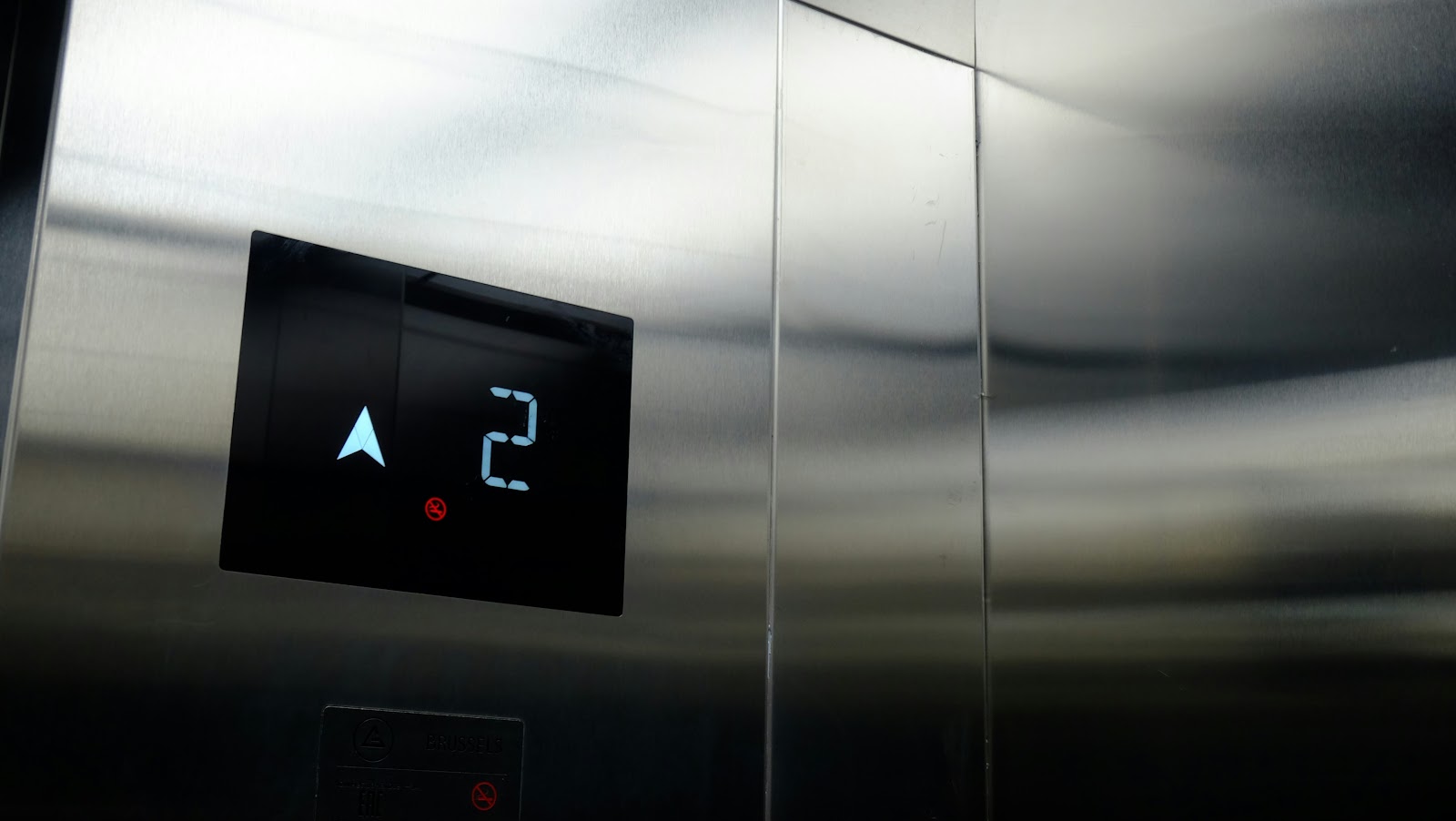
In our experience, lifts are the most under-specified element of a hard FM contract. Building managers routinely spec cleaning, security and grounds maintenance in granular detail — number of visits per week, response time SLAs, escalation protocols — but accept generic ‘quarterly maintenance’ for a lift that runs 500 cycles a day. A commercial passenger lift operating in a busy office block should receive a minimum of quarterly planned maintenance visits, with 24/7 emergency callout cover included in the contract. If your current FM contract offers less than this, it’s worth reviewing before a breakdown forces a reactive repair conversation.
Looking for Lift Maintenance For Your Facility?
Facilities management is a vital but often unseen part of any organisation’s operation. It ensures that buildings are safe, efficient, and comfortable for all occupants.
Our expert lift engineers have years of experience in the field, and we offer a comprehensive range of lift services to meet your specific needs. We are CHAS accredited, SMAS WorkSafe approved and SafeContractor certified — criteria that many FM procurement frameworks require as a baseline for approved contractors.
Find out more about our modern lift services or to request a free, no-obligation quote, contact us today.
Find out more about our modern lift services or to request a free, no-obligation quote with us, based in London and Essex!