OUR BLOG
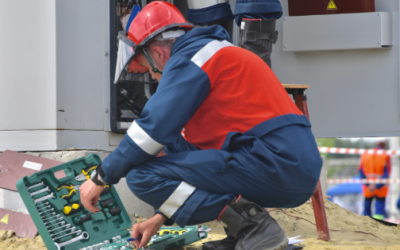
Preventive Lift Maintenance: How to Reduce Emergency Repairs
Preventive lift maintenance plays a vital role in ensuring the safety and reliability of lift systems. By adopting a proactive approach to maintenance, building managers and property owners can significantly reduce the risk of unexpected breakdowns. This article...

Accessibility in Historic Buildings: Lift Options
Preserving the historical charm of ancient buildings while ensuring modern accessibility is a formidable challenge. These historic buildings often lack the necessary features to accommodate individuals with mobility issues, posing a significant barrier to inclusivity....

How Modern Lift Design Increases Commercial Property Value
With the rise of smart buildings, the design and functionality of lifts have become integral to commercial property value. Modern lift design now goes beyond mere transportation, incorporating technologies and sustainable practices that align with contemporary...

Commercial Lift Solutions for Hospitality Venues
In the realm of the hospitality sector, ensuring the seamless movement of guests and staff is crucial for operational success. Lifts play an indispensable role in this, enhancing both guest comfort and logistical efficiency. This article delves into the various...

Tips To Extend Commercial Lift Lifespan
Commercial lifts are a fundamental component of modern architecture, ensuring seamless vertical movement and enhancing the functionality of buildings. The longevity and efficiency of these systems are paramount for building owners and managers. This guide outlines...

The Future of Touchless Lift Controls in Commercial Spaces
Imagine stepping into a lift and reaching your destination, without ever pressing a button or worrying about who touched it last. For many of us managing busy commercial spaces, the realities of hygiene, accessibility, and keeping spaces safe are always front of mind....

Key Legal Requirements for Lifts For Public Buildings
Ensuring accessibility in public and commercial buildings across the UK is both a legal obligation and a strong contributor to social inclusion. The installation and maintenance of lifts for public buildings directly affect how easily all individuals, including...
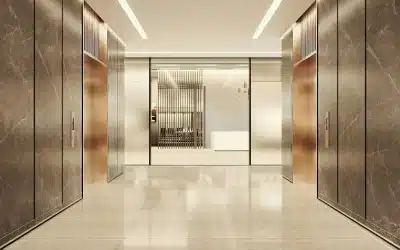
Comparing Custom Lift Design: Options & Costs
When considering a new lift for a property, clients often feel overwhelmed by the sheer range of options, requirements, and costs. Whether a project calls for lasting impression, luxury or practical everyday reliability, selecting the perfect lift is about more than...

Lift maintenance contracts: what’s included and what affects the cost
In short: a lift maintenance contract pays a lift company to service your lift on a regular schedule and to come out when it breaks down. A good contract sets out how often the engineer visits, what each visit covers, how breakdowns are handled, how parts are charged...

Complete Guide to Lift Shaft Design in Commercial Buildings
Lift shaft design is where most commercial lift projects run into problems. Not during the installation itself, but during the planning and structural assessment stage — when the shaft dimensions do not match the lift specification, the fire rating is insufficient for...

What is Smart Lift Technology?
Smart lift technology is transforming how lifts and elevators work in homes, offices, shopping centres, and beyond. It brings together intelligence, connectivity, and convenience, so building operators, property managers, and everyday users get a smoother, safer...

Elevator Energy Performance & Green Buildings: Your Guide
Elevators use a surprising amount of building energy, anywhere from 2% to 10% through the year, and even up to 40% during the busiest times. With the latest elevator drive technologies, though, it’s now possible to save as much as 30-75% compared to old systems. This...
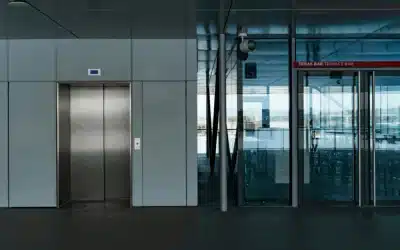
Choosing the Right Lift for Schools
Ensuring accessibility and regulatory compliance within educational buildings is a legal responsibility for every school administrator. Under the Equality Act 2010 and Building Regulations Part M, schools with multiple floors must install lifts to accommodate...
Are Your Building’s Lifts DDA Compliant?
Ensuring equal access for all users in public and commercial buildings underpins modern standards for lift installations throughout the UK. With over 200,000 lifts in daily use, half installed more than 25 years ago, building owners face mounting legal obligations to...
Traction Elevators Vs Hydraulic: Which Is Best?
When choosing the right lift system for homes, offices, or commercial buildings across Essex, London, and the South East, understanding the difference between traction elevators and hydraulic elevators is crucial. The right elevator directly shapes building usability,...

How to Pass a Lift Safety Inspection First Time
Passing a lift safety inspection first time is not just about box-ticking, it’s about protecting lift users, meeting legal obligations, and ensuring your building’s smooth operation. In the UK, the Lifting Operations and Lifting Equipment Regulations 1998 (LOLER) set...

The 7 Best Modern Lift Design Ideas
Most lift design articles online show you renders from Scandinavian architecture firms or aspirational hotel interiors that bear no relation to a six-floor office block in Romford. This guide is different. As Operations Manager at Future Lift Services, I've specified...

Lift Pit Depth Requirements Explained
Understanding lift pit depth requirements is essential when planning a new lift installation or upgrading an existing system. The pit, located beneath the lowest floor, creates the space needed for safety buffers, maintenance access, and ensures the lift car can stop...