Last updated:
Ensuring your building runs smoothly ensures a productive and safe environment. For facility managers, having a comprehensive building maintenance checklist is the key to staying on top of all the tasks necessary to keep a building in prime condition.
Imagine walking into a building where everything functions seamlessly: the lifts operate without a hitch, the air conditioning keeps everyone comfortable, and safety systems stand ready to protect. This harmony isn’t a stroke of luck; it results from meticulous planning and consistent maintenance.
Facility management is a demanding role that requires balancing immediate needs with long-term planning, all while keeping an eye on efficiency and cost-effectiveness. In this guide, we cover the essential components of a robust facilities management checklist — with a particular focus on the lift and vertical transport section, which is frequently the most under-documented system in an FM programme.
Your Facility Management Checklist
HVAC Systems
One of the first items on your building maintenance checklist should be your HVAC systems. These systems are vital for maintaining a comfortable environment for everyone in the building. Regular maintenance tasks for HVAC systems include: replacing air filters (monthly), inspecting and cleaning ductwork, checking thermostat calibration, and inspecting refrigerant levels.
Fire Safety
Health and safety are paramount in facilities management. Fire safety systems must be regularly inspected and maintained. Key components include: fire extinguishers (monthly check, annual service), the fire alarm system (regular testing of panel, detectors, and notification devices), emergency lighting with backup power, and carbon monoxide detectors.
Elevators and Lifts
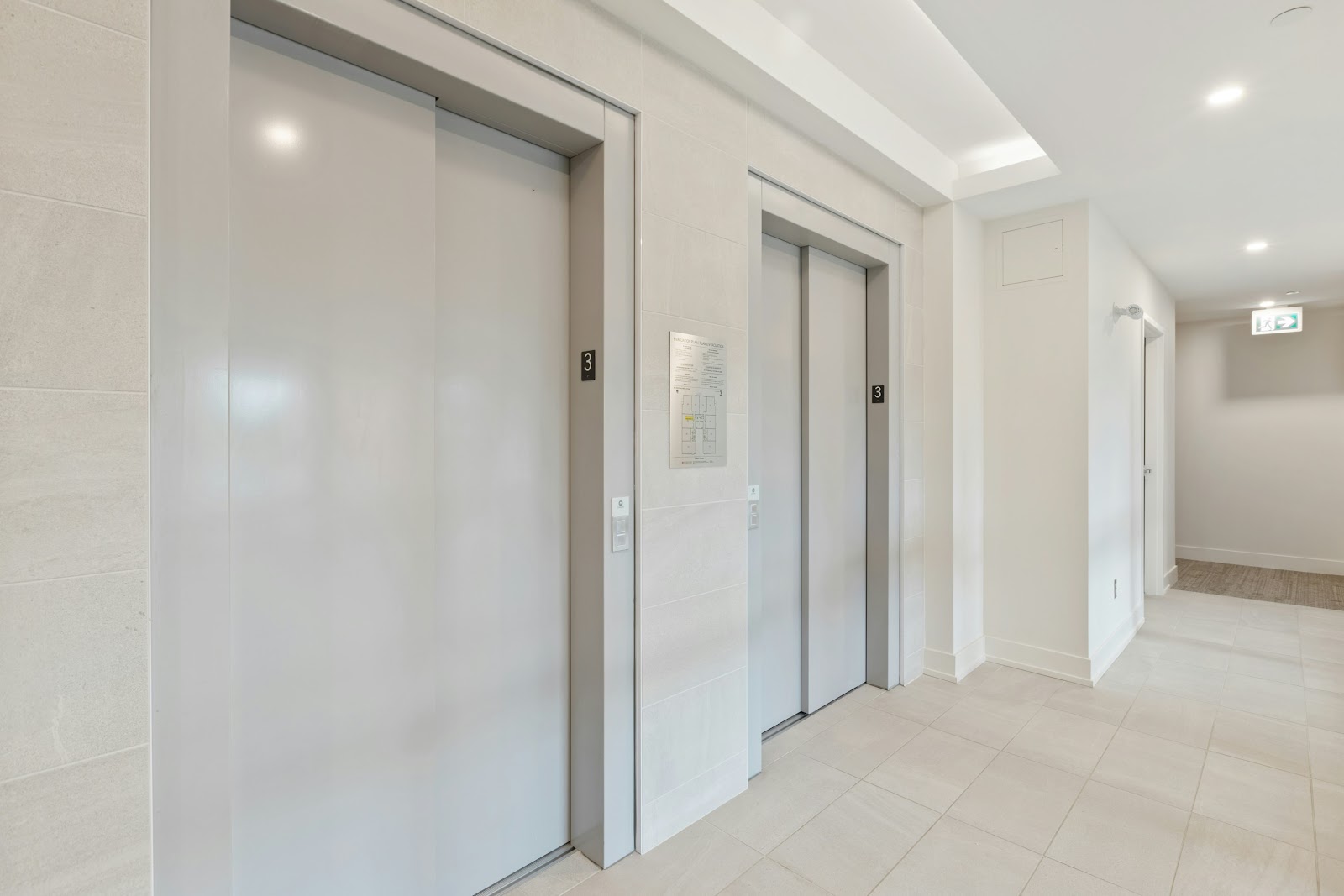
Elevator and lift maintenance is one of the most legally regulated elements of any FM programme — and the one most likely to result in liability if records are incomplete.
Under LOLER 1998 (Lifting Operations and Lifting Equipment Regulations), passenger lifts must receive a thorough examination by an independent competent person at least every 6 months. This is a statutory requirement — not optional and not satisfied by the routine maintenance visit from your lift contractor.
A point that catches many FM teams out: the LOLER examination reports must be kept for at least 2 years and made available for inspection. Many FM programmes have robust HVAC and fire documentation but no organised record of their LOLER examinations. If HSE inspectors or insurers ask for lift examination records and they cannot be produced, the building owner — not the lift contractor — is liable.
and a full 16-point inspection of the cabin, machine room, and pit. Our detailed passenger lift inspection checklist covers all 16 points.
The cost of a preventive lift maintenance contract for a standard passenger lift in a commercial building is typically £600–£1,500 per year, depending on lift age, model, and response time included in the contract. This compares favourably with the cost of a single major repair, which can reach £5,000–£15,000 for components such as control panels or hydraulic units.
Building Automation Systems
Building automation systems (BAS) control and monitor the building’s mechanical and electrical equipment, ensuring efficient operation. To keep these systems running smoothly: update software regularly, calibrate sensors, run system diagnostics, and ensure backup and restore procedures are in place.
General Building Maintenance
Routine building maintenance is the backbone of facilities management. Key tasks include: inspecting and repairing roofs, maintaining plumbing systems, checking electrical systems and wiring, replacing lighting (consider upgrading to LED), and scheduling regular pest control.
Grounds and Exterior
The exterior of your building is the first thing visitors see. Keeping it well-maintained is crucial. This includes regular landscaping, keeping parking areas clean and well-lit, and inspecting the building exterior for cracks, peeling paint, or damage.
Health and Safety
Health and safety protocols are essential in maintaining a safe environment: conduct regular safety drills including fire and evacuation procedures, maintain fully stocked and accessible first aid kits, keep signage clear and visible for emergency exits, and provide regular staff training on emergency response protocols.
Documentation and Scheduling
Effective facilities management relies on thorough documentation and scheduling: keep detailed maintenance logs for all activities, develop and maintain schedules for daily, weekly, monthly, and annual tasks, maintain a list of trusted vendors and contractors, and track maintenance costs against budget.
Sustainability and Efficiency
Modern facilities management places a strong emphasis on sustainability and energy efficiency. In fact, 60% of facilities managers prioritise sustainable practices. Key measures include: energy audits to identify efficiency improvements, water-saving measures such as low-flow fixtures, a comprehensive waste management and recycling plan, and use of sustainable materials where possible.
One often-overlooked sustainability measure for FM teams managing buildings with lifts: modern lift drives with regenerative technology can recover 15–30% of the energy used during braking and return it to the building’s electrical supply. If your lift is due for modernisation, specifying a regenerative drive is one of the most cost-effective energy efficiency improvements available in a commercial building.
Why is a Building Maintenance Checklist Important?
A building maintenance checklist is essential for effective facilities management due to several key reasons:
- Cost Savings Through Preventive Maintenance: Regular inspections and timely repairs prevent small issues from escalating into expensive problems. Companies that use preventive maintenance over reactive save between 12% and 18% on maintenance costs.
- Ensures Safety and Compliance: Regular checks of critical safety systems — including LOLER-mandated lift examinations — ensure compliance with regulations and protect against liability.
- Optimises Energy Efficiency: Well-maintained HVAC systems and efficient lighting reduce energy consumption, lowering operational costs.
- Enhances Occupant Comfort: Proper maintenance of all building systems creates a comfortable environment that improves productivity and satisfaction.
- Preserves Property Value: Regular upkeep maintains the building’s aesthetic appeal and functionality, safeguarding its value and attractiveness to tenants and investors.
- Supports Operational Continuity: Scheduled maintenance minimises downtime for essential systems — including lifts, which cause significant disruption and potential accessibility obligations when they fail.
- Meets Legal and Insurance Requirements: Compliance with building codes and safety regulations reduces risks and ensures readiness for inspections.
In essence, a structured building maintenance checklist is integral to efficient operations, safety compliance, and the long-term preservation of a building’s value and functionality.
Looking for Professional & Reliable Lift Maintenance?
By adhering to regular maintenance schedules, facility managers uphold safety standards, comply with regulations, and enhance operational efficiency. Well-maintained elevators not only perform better and last longer but also minimise downtime and unexpected disruptions, which are crucial for maintaining a smooth flow of daily activities within buildings.
Our expert lift engineers have years of experience in the field, and we offer a comprehensive range of lift services to meet your specific needs — including lift maintenance contracts that integrate cleanly with broader FM programmes.