Last updated:
The installation of a lift is a significant project that requires careful planning and execution. Ensuring minimal disruption during lift installation is crucial for maintaining the daily operations within a building. This guide presents an in-depth look at the necessary steps to achieve a seamless installation process for lifts, focusing on safety, compliance, and efficiency.
By understanding the prerequisites and following a structured approach, building managers and property owners can facilitate smooth lift installations that respect both the needs of the occupants and the integrity of the building’s operations.
Prerequisites for Lift Installation
Preparation and Planning
- Comprehensive Assessment: Conduct a detailed evaluation of the building’s structure and specific requirements for lift installation. This step is essential to identify any potential structural challenges, such as integrating a lift shaft with existing structures, and to ensure that the new lift will integrate seamlessly into the architecture. Consider factors such as lift shaft design and the type of lift suitable for the property—whether service lifts, passenger lifts, platform lifts, or home lifts.
- Compliance Check: Ensure that all building and safety regulations are met, such as LOLER. Adhering to safety standards is critical to avoid legal complications and keep building occupants safe. This process also involves securing necessary permits and checking planning permission.
- Qualified Engineers: Engage an experienced team of lift experts to oversee the project. Such a team is necessary for managing site surveys, determining unique requirements, and ensuring that high quality components are selected for installation.
Careful planning and preparation lay the groundwork for a smooth commercial lift installation project, minimising delays and ensuring all regulatory measures are in place before building work begins.
Step-by-Step Guide to Minimising Disruption
Step 1: Schedule the Installation
- Lift Installation Involves Selection of Type Of Lift Best For Commercial Use
- Optimal Timing: Choose periods of low activity in the building (such as weekends or holidays) to schedule lift installations. This helps minimise disruption to daily building operations, whether installing service lifts, passenger lifts, or platform lifts.
- Communication Plan: Develop a comprehensive plan to keep building users informed about the installation process, such as notices in communal areas, email updates, or posts on the building’s website and social media.
Effective scheduling and open communication keep disruptions minimal and ensure that building operations continue smoothly during lift installation.
Step 2: Select the Right Lift Type
- Elevator Types Influence Installation Cost
Choosing the correct lift type is a pivotal decision that affects both installation costs and efficiency. Here is a comparison of hydraulic lifts vs traction lifts:
| Feature | Hydraulic Lifts | Traction Lifts |
| Cost | Lower initial installation costs | Higher initial installation costs |
| Efficiency | Moderate | High |
| Suitable for | Low-rise buildings | High-rise buildings |
Hydraulic lifts tend to be more cost effective for low-rise buildings, while traction lifts provide higher efficiency and meet the demands for high-rise structures. Consider energy efficient models equipped with eco-friendly features like regenerative drives and LED lighting. Selecting the right lift types, including home lifts or service lifts, ensures cost-effectiveness and suitability for all building operations.
Step 3: Implement Safety Protocols
- Building Regulations Govern Lift Installation
Adhering to safety regulations such as LOLER is essential for the installation process. Thorough inspections and the installation of temporary safety barriers are critical safety features that protect building occupants and personnel. Ensuring that the site is secure maintains compliance with all standards and keeps risk to a minimum during installation.
Step 4: Monitor and Adjust
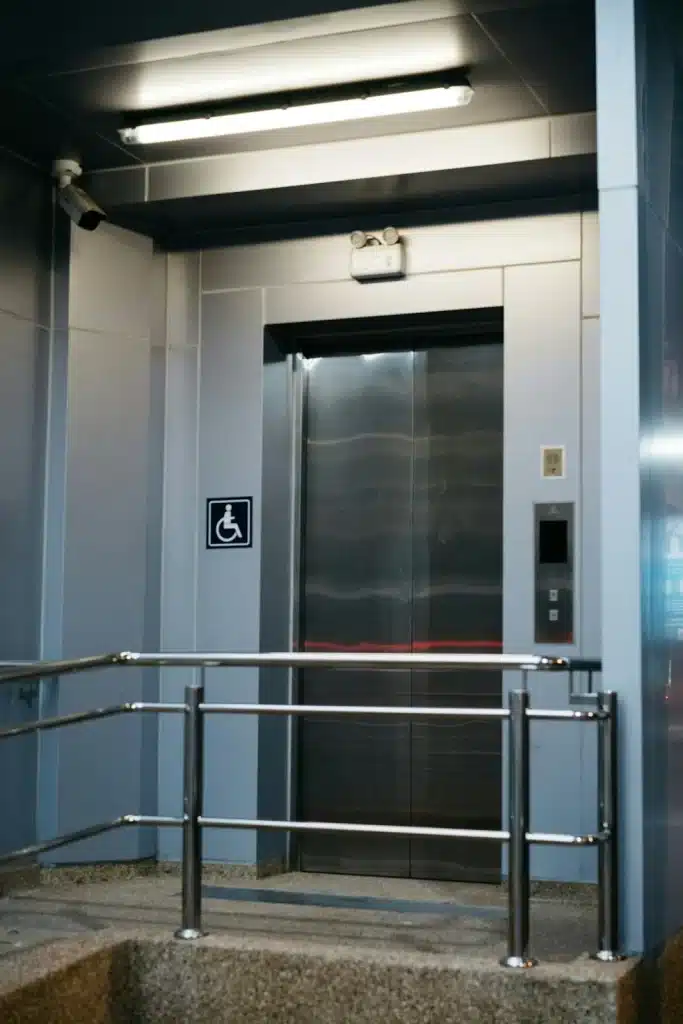
- Installation Process Requires Skilled Labour
Regular monitoring and assessment of installation progress allows the project team to make timely adjustments. Gathering feedback from building users helps tailor solutions that prioritise user needs. This proactive approach ensures the installation process remains efficient, helping to avoid costly breakdowns and keep the project on track.
Tips and Troubleshooting
Common Mistakes and Solutions
- Inadequate Planning: Conducting thorough assessments of existing structures, budget considerations, and the range of different types of lifts (passenger lifts, platform lifts, etc.) before installation is essential to avoid delays and cost overruns.
- Communication Gaps: Open lines of communication ensure that everyone involved in the installation is aligned, reducing the chance of misunderstandings and promoting smooth project completion.
Learning from these issues helps ensure a successful lift installation with minimal disruption.
Summary and Key Takeaways
A well-executed lift installation enhances a building’s functionality and accessibility in the long run. This guide covers key strategies for a disturbance-free installation process:
- Thorough Preparation: Comprehensive assessments of property and compliance with all regulations (LOLER, planning permission) are essential before installing a new lift.
- Strategic Scheduling: Selecting optimal times for installation and maintaining clear communication with stakeholders significantly reduces disruptions.
- Appropriate Lift Selection: Determining the best solutions for various lift types: hydraulic lifts, traction lifts, platform lifts impacts installation costs, accessibility, and long-term maintenance.
- Robust Safety Protocols: Using temporary barriers, ensuring safety standards compliance, and conducting regular inspections are necessary during installation.
- Continuous Monitoring: Gathering feedback, monitoring progress, and making necessary adjustments help prevent potential costly breakdowns and contribute to successful lift installations.
Closing Thoughts
By following these guidelines and working with lift experts to develop tailored solutions, building managers and property owners can achieve seamless, cost-effective lift installations while maintaining the safety and comfort of all building users. Future Lift Services provides expert advice and services for new lift installations, helping properties remain compliant, accessible, and equipped with high quality components for lasting performance.
Contact us today for a free consultation on your lift project.
FAQs
1. What factors should be considered before installing lifts in a listed building?
When installing lifts in a listed building, it is crucial to preserve the external appearance and architectural integrity of the property. The lift depends on careful planning regarding space, the number of floors served, and the selection of new equipment that fits the building’s unique requirements. Building managers must also adhere to regulations protecting listed status and obtain relevant permissions before initiating installation.
2. How can lifts be adapted to meet the needs of wheelchair users and limited spaces?
Lifts designed for wheelchair users require features such as wider doors, adequate internal space, and accessible controls positioned for users with mobility challenges. Common types include platform lifts and compact passenger lifts that maximise space efficiency without compromising accessibility. Thorough assessment of building layout and available space ensures the installation supports wheelchair accessibility on all floors served.
3. What are the main things the type of lift depends on, and what common types are available for different buildings?
The type of lift depends on several factors, including the building’s height (number of floors), intended use, available space, and the need for new equipment or upgrades. Common types include traction lifts, hydraulic lifts, platform lifts, and service lifts. The choice of lift should also consider maintenance needs, cost-effectiveness, and how the external appearance integrates with the property’s overall design.